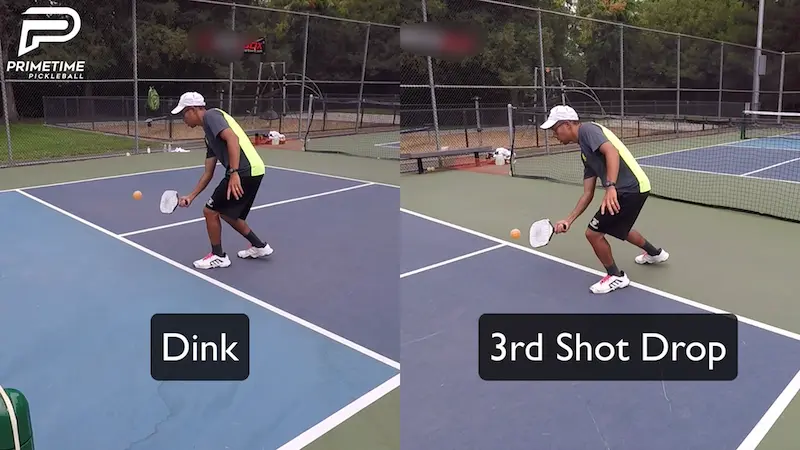
A dink is a soft, controlled shot that drops into the kitchen near the net.
If you have ever asked whats a dink in pickleball, you are asking about the core shot that defines smart play. I coach new and advanced players, and I can tell you this: master the dink and you will win more points. In this guide, I break down whats a dink in pickleball with clear steps, drills, and real stories from the court. Stick with me to learn the why, how, and when behind the dink.
What is a dink in pickleball?
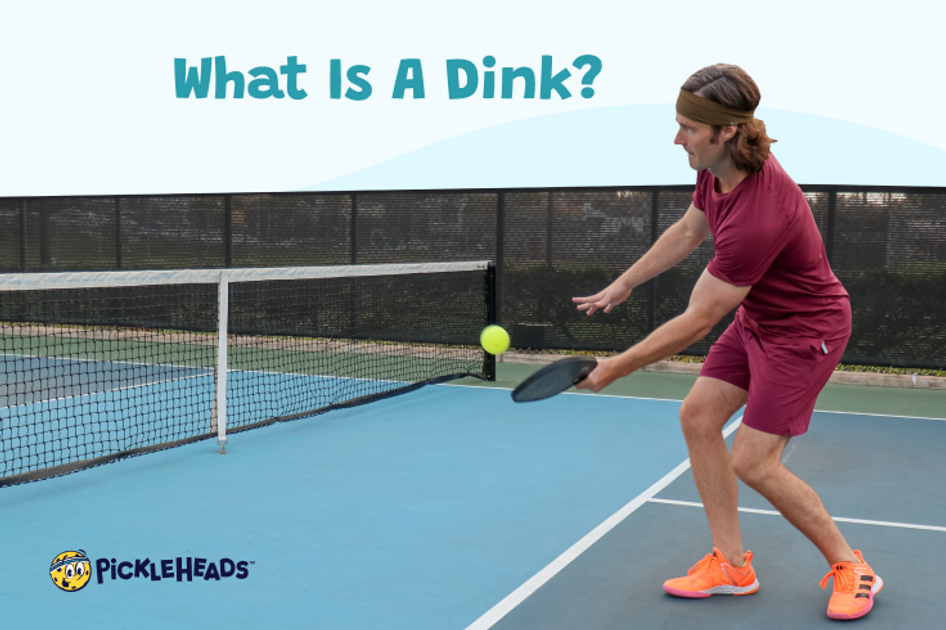
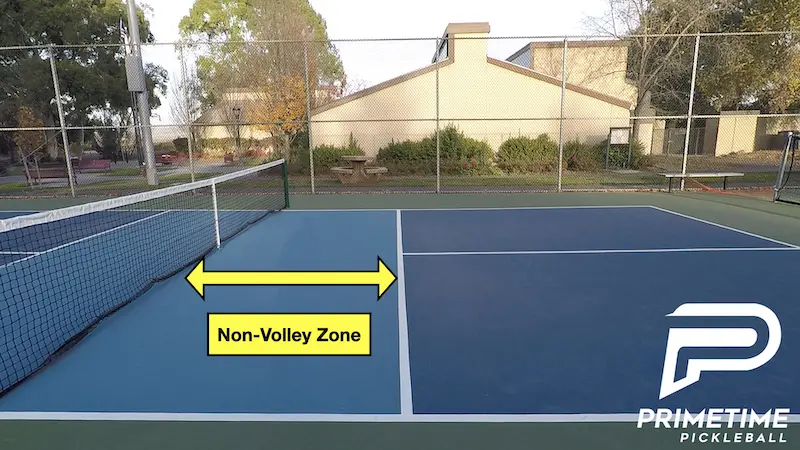
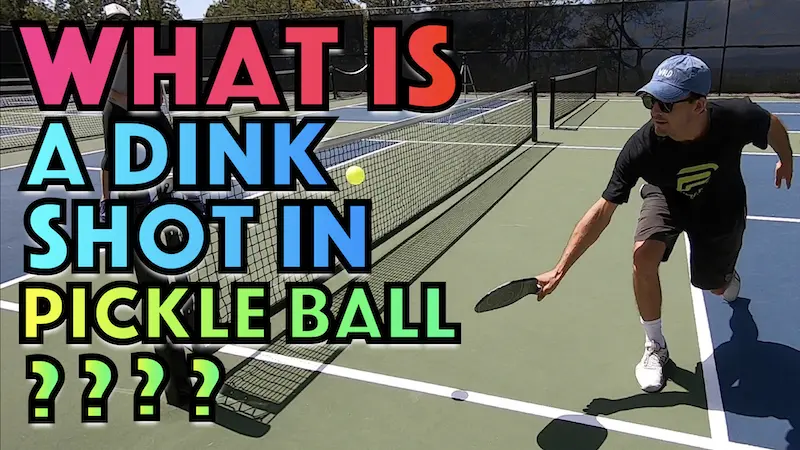
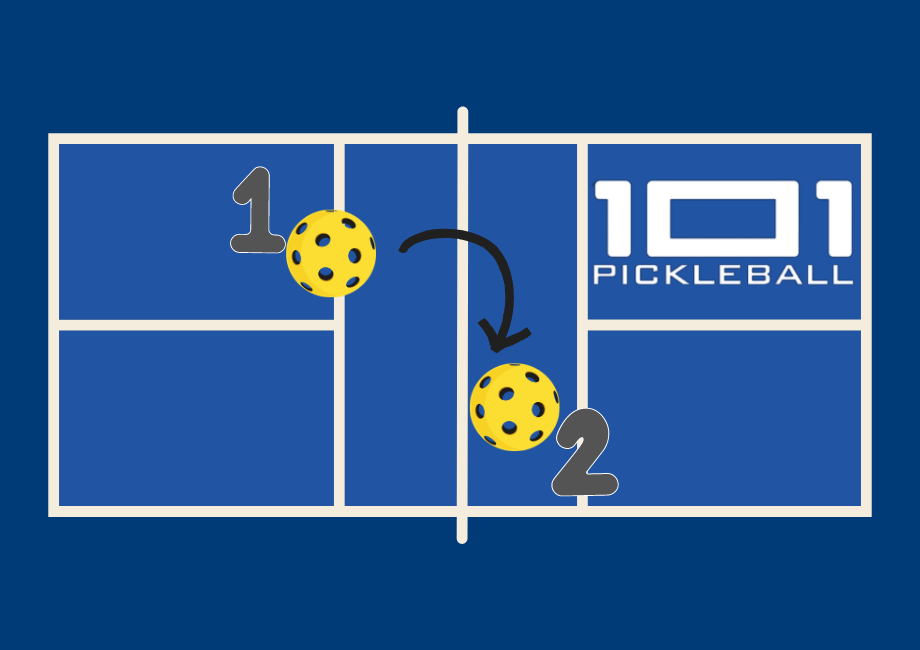
A dink is a soft shot that clears the net by a few inches and lands in the non-volley zone, also called the kitchen. You hit it with a short, gentle swing and stay balanced at the kitchen line. The goal is to keep the ball low so your opponent must hit up, not down.
If you ever wonder whats a dink in pickleball during a match, think of a short chip in golf. It is not about speed. It is about touch, angle, and height. Most dinks are hit crosscourt because the net is lower in the middle and you get more space to work with.
Why the dink matters
Power looks flashy. But control wins long rallies. A good dink slows the game down and keeps the ball below net height. It forces mistakes and sets up easy putaways. Pro rallies often build on patient dink exchanges before a fast attack.
When friends ask me whats a dink in pickleball and why it matters, I say it turns chaos into calm. It gives you time, draws your rivals forward, and opens the middle. Your soft shot today becomes your winner on the next ball.

How to hit a reliable dink
Use this step-by-step plan. Keep each move small and smooth.
-
Grip
Use a relaxed continental grip. Hold the paddle like a hammer, not tight. -
Stance
Stand at the kitchen line with light feet. Keep knees bent and chest tall. -
Paddle position
Start the paddle in front of your body. Face it slightly open. -
Contact
Let the ball drop in front of you. Push through it with a short lift. -
Swing path
Think smooth and straight. No big backswing. No big follow-through. -
Height and arc
Aim for a net clearance of 3 to 6 inches. Create a gentle arc that lands deep in the kitchen. -
Targets
Go crosscourt most of the time. Mix in a short, sharp angle to pull your rival wide. -
Reset mindset
If the rally gets fast, block and reset back into a dink. Patience beats panic.
I tell new players who ask whats a dink in pickleball that the best dinks feel boring. That is good. Boring dinks build pressure until you get a high ball to finish.
Common mistakes and easy fixes
Many players learn the hard way. Here are the top errors and what to do.
- Hitting too hard. Solution: Loosen your grip and shorten your swing. Let the paddle do the work.
- Standing too tall. Solution: Bend your knees and lower your center. Low body, low ball.
- Contact too far back. Solution: Meet the ball in front of your toes. See the paddle face.
- Floating dinks to the middle. Solution: Pick exact spots. Aim deep crosscourt or sharp angle.
- Backing off the line. Solution: Stay at the kitchen line. Slide, do not step back unless you must.
If you still ask yourself whats a dink in pickleball when you pop balls up, film your feet. Footwork errors cause pop-ups more than your swing.

Drills that build touch fast
Practice little and often. Ten minutes a day beats one long session a week.
-
Wall touch drill
Stand close to a wall. Tap the ball with a soft push. Keep it under shoulder height. -
Crosscourt dink rally
Work with a partner from kitchen line to kitchen line. Aim deep crosscourt and count clean shots. -
Triangle targets
Place three targets in the kitchen. Hit one deep crosscourt, one short angle, one middle. Repeat. -
Drop-feed ladder
Drop the ball from your non-paddle hand and dink to a mark. Take one step wider each set. -
The 7 and in game
Rally dinks only. First to 7 wins. If a ball floats high, you must still dink it. This builds discipline.
When players ask me whats a dink in pickleball and how to learn it fast, I always suggest the wall drill. It teaches feel, angle, and quiet hands in minutes.

Singles vs doubles dinking
Singles gives you more court to cover. Your dink needs depth to push the rival back and buy time. Short angles can work, but be ready to sprint.
Doubles is where the dink shines. You hold the line with your partner and work crosscourt patterns. If you wonder whats a dink in pickleball in doubles, it is your safe move to set up your team’s attack.

Spin, angle, and advanced patterns
Once you land basic dinks, add shape and spin.
-
Underspin slice
Brush down and forward. The ball skids and stays low. -
Topspin roll
Brush up and over. The ball dips late and can handcuff the rival. -
Inside-out angle
Open your paddle face a touch and send the ball off their sideline. -
Middle squeeze
Two dinks to the backhand, then one to the middle. Make them clash paddles. -
Bait and punish
Float a safe, deep dink to draw a speed-up, then block and reset. Do it again until the ball sits up.
Advanced players who ask whats a dink in pickleball often mean how to weaponize it. Spin and angle turn defense into a trap.
Gear and court factors that affect your dink
Small changes in gear or weather shift feel in a big way.
-
Paddle face and core
A softer core adds touch. A gritty face helps you add spin without force. -
Ball type
Indoor balls are softer and bounce higher. Outdoor balls are firmer and fly faster in wind. -
Conditions
Wind pushes soft shots. Aim more inside the lines on breezy days. Humidity makes balls slower. -
Court surface
Rough courts grab the ball and keep it low. Smooth courts give you time but can float shots.
If friends ask whats a dink in pickleball when their touch vanishes, I check their ball and the wind first. Adjust your target and arc before changing your swing.

Rules, etiquette, and kitchen safety
A dink often lands in the non-volley zone. You may not volley while touching the kitchen or the line. That is a fault. The two-bounce rule means each side must let the serve and return bounce before any volley.
Mind your feet on wide dinks. Step with control and recover fast. Call balls fair and be kind on close lines. If your rival trips at the kitchen, pause play. Safety beats a point every time.
When someone new asks whats a dink in pickleball during open play, I also teach kitchen respect. Stay patient, avoid crowding, and give space on sharp angles.
Frequently Asked Questions of whats a dink in pickleball
What is the main purpose of a dink?
A dink keeps the ball low and removes your rival’s power. It sets up an easier ball you can attack.
Should my dink be crosscourt or down the line?
Go crosscourt most of the time for safety and space. Mix in a down-the-line dink to catch a poach.
How high should a good dink travel over the net?
Aim for 3 to 6 inches over the tape. Higher than that gives your rival a chance to attack.
Can I volley a dink out of the air?
Yes, but only if you are not in the kitchen or on the kitchen line. Keep your feet clear before you swing.
How do I beat a hard hitter with dinks?
Slow the rally with soft, deep dinks and force them to hit up. When they speed up, block and reset back to a dink.
How can I practice dinks alone?
Use a wall or a rebounder and aim for a small target. Track your clean shots and try to beat your score.
What grip is best for dinking?
A relaxed continental grip gives you control on both forehand and backhand. It also makes resets easier.
Conclusion
A strong dink is the anchor of smart pickleball. It buys time, builds pressure, and opens the court for clean winners. Add calm hands, clear targets, and simple footwork, and your game will level up fast.
Start small today. Pick one drill and one fix from this guide. Bring them to your next game and track your progress. If this helped, share it with a partner, subscribe for more tips, or drop your best dink question in the comments.