Pickleball began in 1965 on Bainbridge Island, Washington, created by three dads.
If you’ve ever asked yourself where did pickleball come from, you’re in the right place. I’ve spent years playing, coaching beginners, and digging into the history that turned a backyard game into a global sport. Below, I explain where did pickleball come from with clear facts, stories from the early days, and tips that keep the game’s roots alive on today’s courts.
The spark on Bainbridge Island: three friends, a summer day, 1965
If you want to know where did pickleball come from, start with a lazy summer day on Bainbridge Island, near Seattle. Congressman Joel Pritchard, Bill Bell, and Barney McCallum wanted something fun for their kids. They grabbed a perforated plastic ball, used plywood paddles, and lowered a badminton net in the Pritchard yard.
They made up simple rules so everyone could play. The ball bounced, the paddles were solid, and the court was small. That mix made games fast, fair, and very social. Early notes and interviews from the families confirm this casual, family-first beginning.

Why the name “Pickleball” still sparks debate
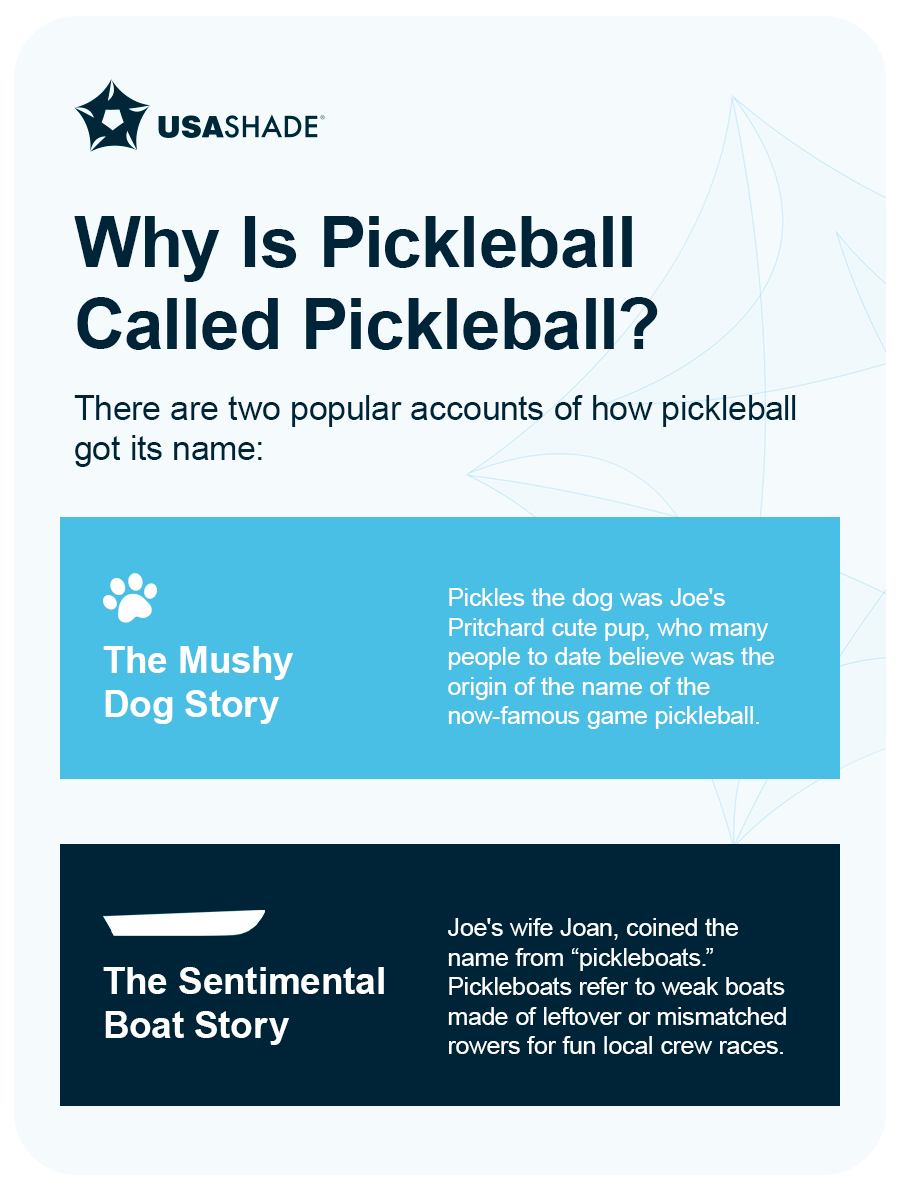
Another piece of where did pickleball come from is the name. Two stories circulate. One says it came from “pickle boat,” a rowing term for mixed-crew leftovers, which fit the sport’s “mix of parts” vibe. The other credits the family dog, Pickles, who chased the ball.
Family accounts say the dog arrived after the game began, so many historians favor the pickle boat story. But both tales live on because they reflect the sport’s fun spirit. Either way, the name stuck, and it makes people smile.

From backyard game to organized sport
To fully answer where did pickleball come from, we should track how it grew. The first dedicated court appeared around 1967 at the Pritchard home. The sport spread by word of mouth, in driveways and parks. In 1976, the first known tournament took place in Tukwila, Washington, drawing local buzz.
Pickle Ball, Inc. formed in the early 1970s to manage gear and rules. The USA Pickleball Association appeared in 1984 to guide growth, publish rules, and support clubs. These groups, along with early coaches and volunteers, turned a yard game into a real sport.

The court, gear, and rules that make it unique
The “what” explains where did pickleball come from just as much as the “who.”
- Court size: 20 by 44 feet, same as badminton doubles. The smaller court keeps rallies long and friendly.
- Net height: 36 inches at the sidelines and 34 inches at center. That small dip helps drives stay in play.
- The kitchen: A 7-foot non-volley zone on each side of the net. You can’t volley while standing in it, which reduces smash dominance.
- The serve: Underhand, below the waist, diagonally. One serve attempt is standard, except on lets in some formats.
- The double-bounce rule: The return of serve must bounce, and the next shot must bounce too. That rule lengthens rallies and levels the field.
Paddles started as plywood. By the 1980s, innovators introduced composite faces and honeycomb cores. Today’s paddles use fiberglass, carbon fiber, and polymer cores. Balls vary by holes and stiffness for indoor vs. outdoor play. These design choices preserve the sport’s feel.
Why pickleball took off so fast
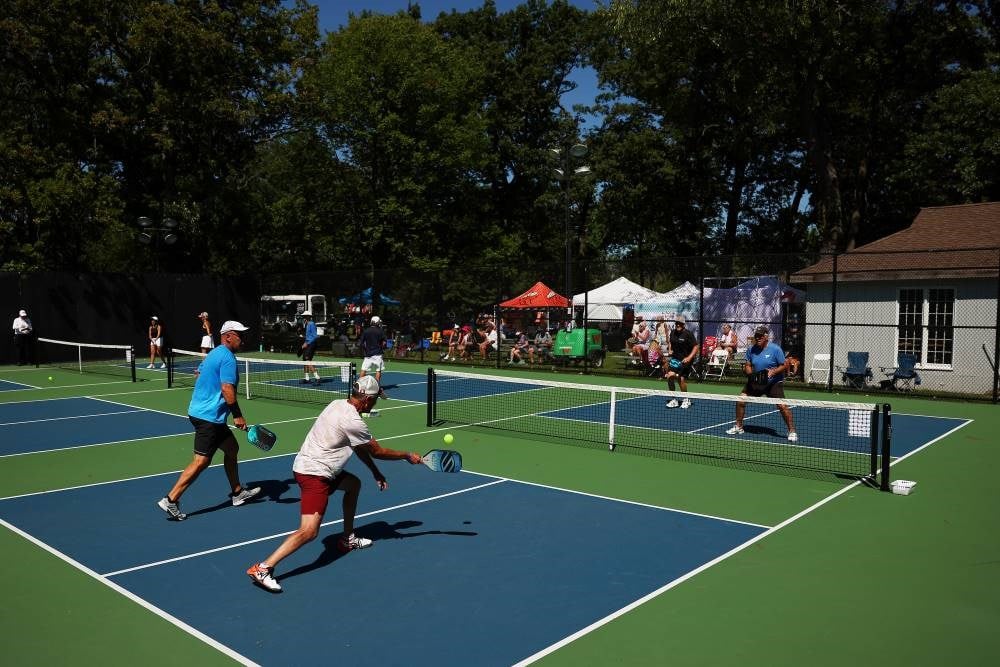
To understand where did pickleball come from and why it surged, look at barriers. The court is small, so players move less but still get a workout. Rules are simple, so beginners rally fast and have fun day one. Families and friends can play together, no matter age or skill.
Community parks converted old tennis courts into multiple pickleball courts. During 2020 and beyond, people sought safe, social activity. The sport fit that need. Industry reports list pickleball as the fastest-growing sport in the United States for multiple years, with over 36 million Americans trying it in 2022. It is easy to learn and hard to master, which keeps people coming back.

A short timeline of key milestones
When someone asks where did pickleball come from, I often share this quick timeline:
- 1965: Joel Pritchard, Bill Bell, and Barney McCallum create the game on Bainbridge Island.
- 1967: First dedicated court is built at the Pritchard home.
- 1972: Pickle Ball, Inc. is formed to support equipment and rules.
- 1976: First known tournament is held in Tukwila, Washington.
- 1984: USA Pickleball Association forms and promotes standardized rules.
- 2009: The first USA Pickleball National Championships draws hundreds to Arizona.
- 2010s: International growth accelerates; more schools and parks add courts.
- 2020s: Pro tours launch; media coverage booms; participation explodes.

Global spread and cultural impact
Where did pickleball come from geographically? It started in the Pacific Northwest. Where did pickleball come from culturally? It came from families who valued play and community. Today, the sport thrives in Canada, the UK, Spain, India, Japan, and more. Clubs open in cities and small towns. Pros tour, brands sponsor, and parks fill each morning.
The deeper impact is social. Players meet neighbors, find mentors, and stay active. Doctors suggest it as a joint-friendly option. Schools teach it in PE to build teamwork. It is more than a game; it is a simple system that creates connection.

My experience with the origin story on court
When I teach new players who ask where did pickleball come from, I pull out a plywood-style paddle and a plastic ball. We set up a short court with tape. We use the double-bounce rule and focus on dinks near the kitchen. Within minutes, everyone is smiling.
Lessons I share:
- Keep games inclusive. Mix teams and rotate often.
- Play by the simple rules first. Add nuance later.
- Use gear that fits your body. Lighter paddles help control and reduce strain.
- Mind your feet in the kitchen. It is about balance and touch, not brute power.
These small steps honor the sport’s roots and make learning fun.
Myths vs. facts that clear up the origin
If you want the clean truth on where did pickleball come from, clear these myths.
- Myth: It is just mini tennis. Fact: The rules and gear are unique, with the double-bounce rule and kitchen.
- Myth: The dog named Pickles created the name. Fact: The dog came later; the likely source is “pickle boat.”
- Myth: It was made only for seniors. Fact: It began as a family game for kids and adults; it now serves all ages.
- Myth: Courts must be new builds. Fact: Many are taped or lined on existing surfaces.
- Myth: Scoring is too hard. Fact: Side-out scoring is simple with a few rounds of play.
Frequently Asked Questions of where did pickleball come from
Where did pickleball come from in one sentence?
It started in 1965 on Bainbridge Island, Washington, created by Joel Pritchard, Bill Bell, and Barney McCallum.
How did the early rules shape the sport’s feel?
The double-bounce rule and the kitchen made rallies longer and fairer. Those rules reward placement and patience over brute force.
Is the dog story true about the name?
The dog named Pickles did exist, but arrived after the sport began. Many historians point to “pickle boat” as the name source.
Who wrote the first formal rules?
Early rules were shaped by the founders and refined by volunteers. Later, national bodies published standardized rulebooks to guide play.
Why do people keep asking where did pickleball come from?
Because the story is friendly and relatable. A backyard game made by three dads became a global sport, which is rare and inspiring.
When did pickleball become a competitive sport?
Tournaments began in the 1970s, and national events took off by the 2000s. Pro tours in the 2020s raised the game’s profile.
Conclusion
The next time someone asks where did pickleball come from, you can point to a backyard on Bainbridge Island, a few creative friends, and a set of simple rules that made play joyful. Its rise proves that easy access, fair rules, and community can build a movement.
If this history makes you want to play, grab a paddle and try a few dinks near the kitchen. Ready to learn more? Subscribe for practical tips, gear guides, and strategy breakdowns, or drop your questions in the comments so we can help you start strong.