Outdoor pickleballs are hard, 40-hole balls built to resist wind and wear.
If you’re asking which pickleball is for outdoors, you’re in the right place. I’ve tested dozens of balls in sun, wind, heat, and cold. This guide explains which pickleball is for outdoors, what to look for, and how to pick the best ball for your court, climate, and level. Stick with me to avoid cracks, wobbles, and wasted money.

What makes an outdoor pickleball?
Outdoor balls are made to cut through wind and take hits on rough courts. They use a harder plastic, smaller holes (usually 40), and a stronger seam. The bounce feels faster and higher. The sound is sharper.
Look for USA Pickleball approved stamps when you decide which pickleball is for outdoors. That label means the ball meets standards for size, weight, bounce, and color. It also means the ball should play true across brands and batches.
Key traits to check:
- Hole count and size Smaller, more holes help with wind.
- Hardness A stiffer shell speeds up play and resists scuffs.
- Seam quality Welded seams reduce breakage and oval shapes.
- Roundness A true sphere flies straight and bounces clean.

Outdoor vs indoor balls: clear differences you can feel
Indoor balls have fewer, larger holes. They are softer and slower. They grip wooden floors and create longer rallies.
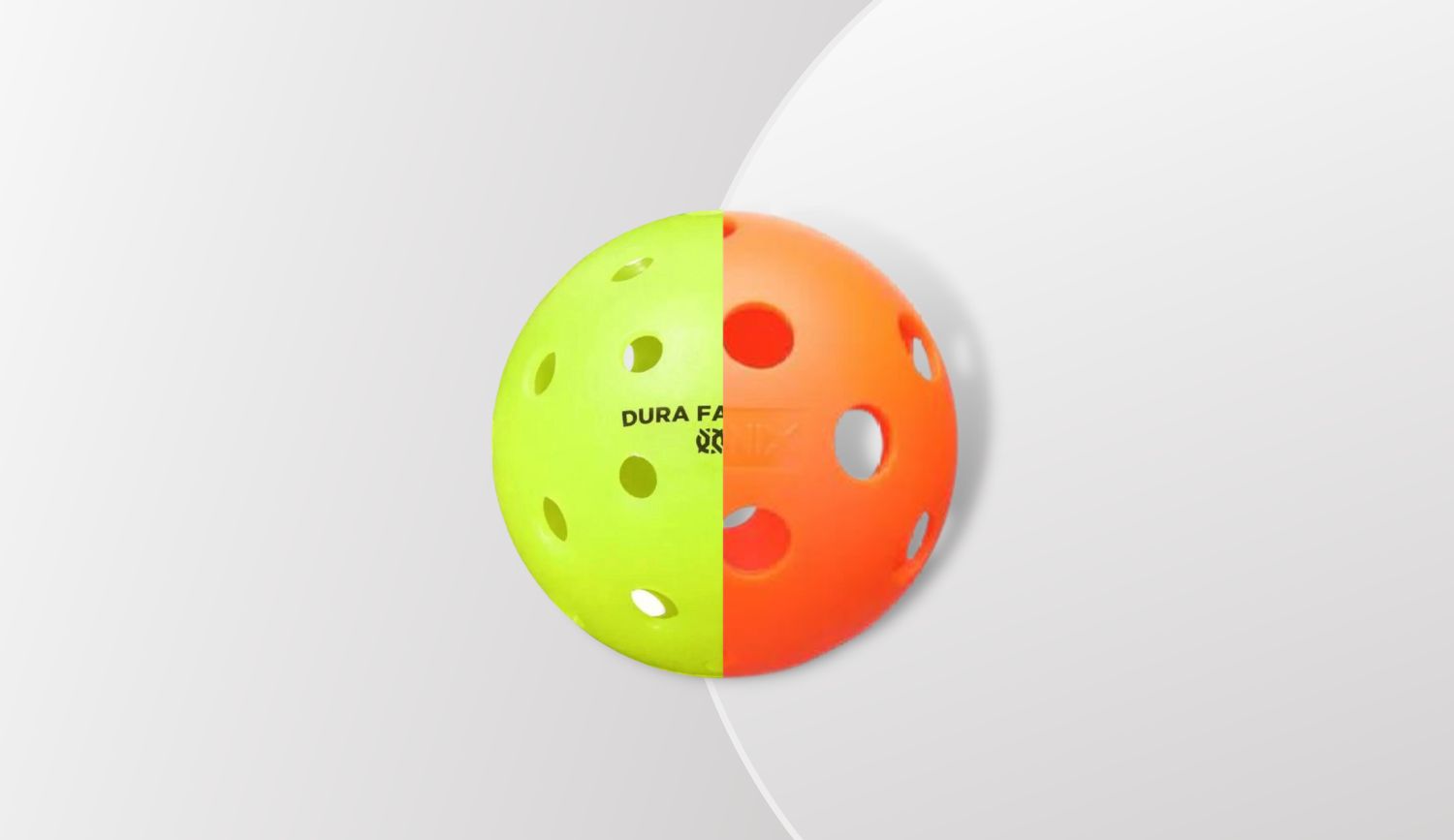
Outdoor balls have more, smaller holes and harder shells. They fight wind, but they can crack if you play in deep cold. If you wonder which pickleball is for outdoors, pick the harder, 40-hole style with a firm feel.
How this shows up in play:
- Speed Outdoor balls move fast and skid more on asphalt.
- Noise Outdoor balls are louder on driveways and courts.
- Durability Outdoor balls scuff slower but can split in cold.
- Control Indoor balls bite the paddle more; outdoor balls reward clean contact.

Best outdoor pickleballs by use case
Below are options I reach for on real courts. I favor balls that fly true, last long, and stay round. As you weigh which pickleball is for outdoors, match the ball to your goals and climate.
Tournament speed and spin
You want a fast, crisp ball that holds shape under heat. Two-piece, welded-seam designs shine here. They stay round and keep pop late into a match. If tournament feel drives your choice of which pickleball is for outdoors, pick a firm, approved 40-hole model with a bright color for visibility.
All-around durability for rec play
If you run leagues or open play, you need value. Choose a ball that feels firm but does not crack after a few games. I often stock a mid-price, USA Pickleball approved ball for parks. For many groups asking which pickleball is for outdoors, this “balanced” ball is the sweet spot.
Cold-weather reliability
Cold makes hard plastic brittle. Store balls warm and use a slightly softer outdoor model in winter. If your group asks which pickleball is for outdoors in 40–55°F temps, pick a ball known to resist cracking and rotate them often.
Hot-climate control
Heat can soften balls and slow them down. Seek a firmer shell and strong seam for summer. If you play in the sun and ask which pickleball is for outdoors on 95°F days, choose a ball that stays lively and round.
Quiet neighborhoods and HOA courts
Some parks have noise limits. A few outdoor balls are tuned to reduce pitch. They trade a little speed for a friendlier sound. If noise matters as you decide which pickleball is for outdoors, test a “quiet” approved model in your space first.

How to choose the right ball for your court, climate, and level
Use this simple path to lock in the right pick. It works whether you play three times a week or train for medals.
- Start with your surface Rough asphalt needs tougher shells and clean seams.
- Match your weather Cold favors slightly softer shells; heat needs firmer ones.
- Pick your pace Fast for drives and put-aways, or slower for longer rallies.
- Check approval Look for USA Pickleball’s mark to ensure legal play.
- Buy small, test, then bulk Order a sampler, play three sessions, then stock up.
- Plan for turnover Outdoor balls wear out. Budget to replace often.
If a partner asks which pickleball is for outdoors, use the checklist above. It saves time, money, and guesswork. I use it when I buy for my club each season.

Care, storage, and lifespan: make your outdoor balls last longer
Great care boosts play and saves cash. It also helps the ball feel the same from game to game.
- Warm storage Keep balls inside your bag, not in a cold trunk.
- Rotate balls Swap every two games to spread the wear.
- Quick clean Wipe with a damp cloth to remove grit that scuffs paddles.
- Inspect seams Toss any ball with a seam line or egg shape.
- Color care Bright balls fade in sun. Store them out of direct light.
If you wonder which pickleball is for outdoors and will last longer, the answer is simple: hard shell, strong seam, and smart storage.
Common mistakes and quick fixes
Small tweaks can fix most issues fast. I learned these lessons running league nights and testing gear for years.
- Using indoor balls outside Fix Use a 40-hole, harder ball to cut wind.
- Playing cold balls Fix Keep a sleeve in your pocket to warm them.
- Ignoring cracks Fix Check seams between games and replace early.
- Buying only by price Fix Test three brands, then buy in bulk to save.
- Mixing batches Fix Keep sets matched to reduce weird bounces.
These tips help any player who asks which pickleball is for outdoors and how to keep it game-ready.

Frequently Asked Questions of which pickleball is for outdoors
What hole count should I choose for outdoor play?
Most outdoor balls use 40 small holes to fight wind and stay stable. This design is the safest pick when choosing which pickleball is for outdoors.
Are outdoor pickleballs harder than indoor ones?
Yes. Outdoor balls use a harder shell to handle rough courts and sun. That is why they feel faster and louder when you play outside.
How long does an outdoor pickleball last?
In league play, one ball can last a few sessions. Cracks, egg shapes, or dead bounce mean it is time to replace it.
Can I use indoor balls outside in a pinch?
You can, but expect wobble in wind and faster wear on asphalt. If you care about clean play, pick the ball built for outdoors.
Do I need USA Pickleball approved balls for casual games?
Not for casual play, but approval helps with quality and consistency. It is also required for tournaments and many club events.
Which color is best for outdoor visibility?
Neon yellow or bright green pops in sun and shade. Pick a color that contrasts with your court and background.
Conclusion
Outdoor play is faster, brighter, and tougher on gear. Choose a hard, 40-hole, approved ball that fits your weather and court. Use small tests, store them well, and rotate often. If you still wonder which pickleball is for outdoors for your setup, try two firm options and one softer pick, then let your group vote after a week. Grab a sampler, hit the courts, and tell me which ball won your test run.