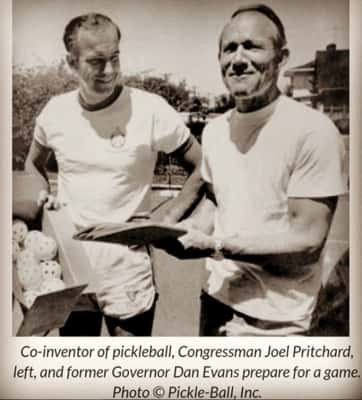
Pickleball was created in 1965 by Joel Pritchard, Bill Bell, and Barney McCallum.
If you have ever wondered who made pickleball and why it spread so fast, you are in the right place. I have studied the game’s roots for years and taught clinics where the origin story always sparks smiles. In this guide, I break down who made pickleball, how it started, the real story behind the name, and what the founders did that still shapes how we play today.
The Founders and Their Island Roots
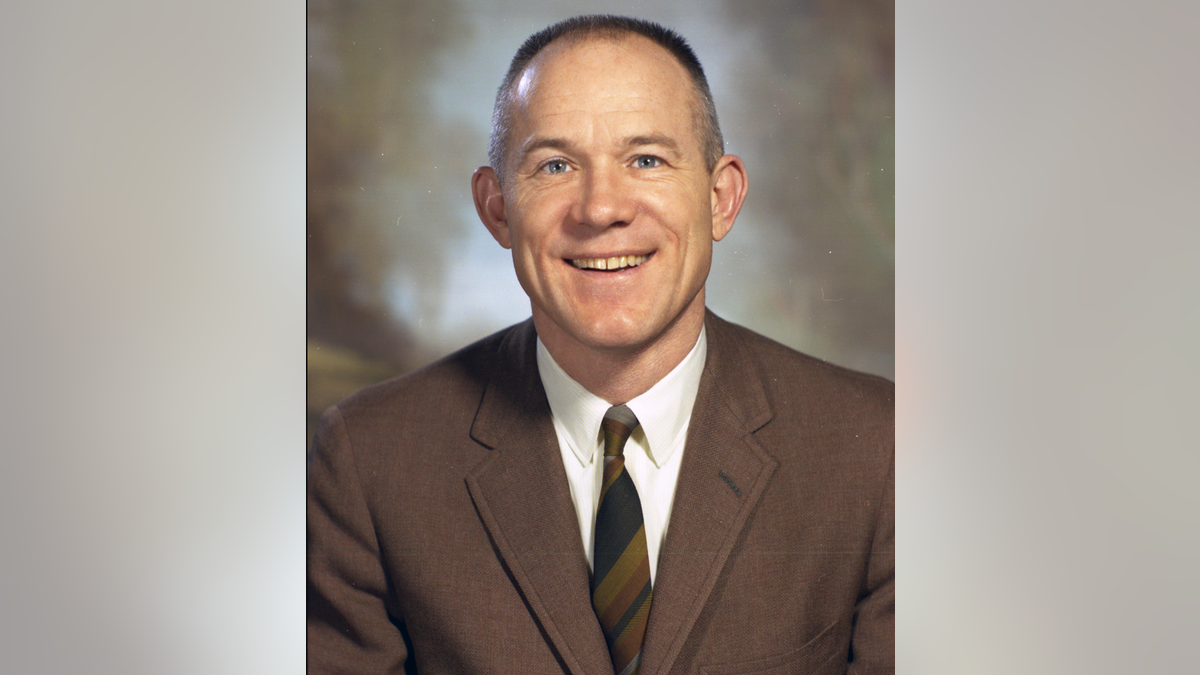
The short answer to who made pickleball is three dads on Bainbridge Island, Washington. Joel Pritchard, a state legislator and later a U.S. congressman, invited his friend Bill Bell over in the summer of 1965. Their neighbor, Barney McCallum, joined in. They wanted a game the whole family could play that weekend. That small goal became a sport with global reach.
Each founder brought a different mind-set. Pritchard had the vision for a family game. Bell pushed to refine the play so it felt active. McCallum, a practical problem-solver, built sturdier paddles in his basement. When people ask who made pickleball, I tell them it was teamwork from day one.
The Summer of 1965: How the Game Was Born
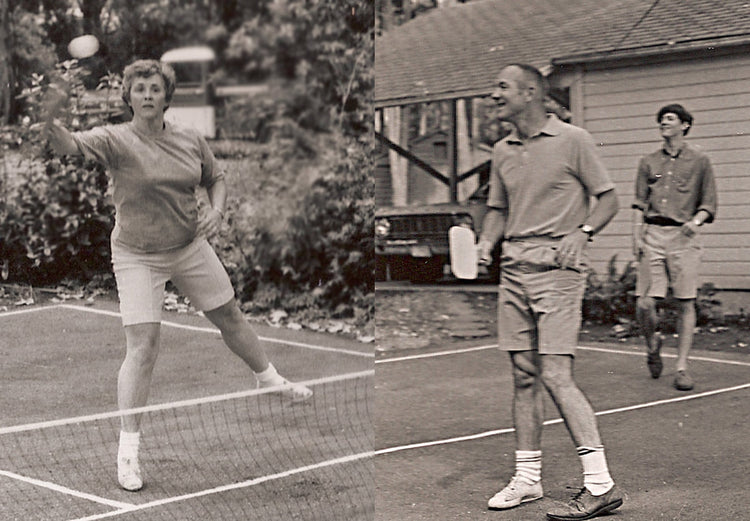
So who made pickleball the hit it is today? It began on an old badminton court at Pritchard’s home. They lowered the net, grabbed table tennis paddles, and used a perforated plastic ball. It was improvisation that worked. Lobs, dinks, and quick volleys came naturally with the smaller court and slow, airy ball.
They tweaked the setup until rallies felt fair. The net settled near tennis height, and the court matched badminton’s doubles lines. The aim was steady, social play. When new players ask who made pickleball rules feel so friendly, I point to those early family tests, where fun beat out fuss.
Why Is It Called Pickleball?
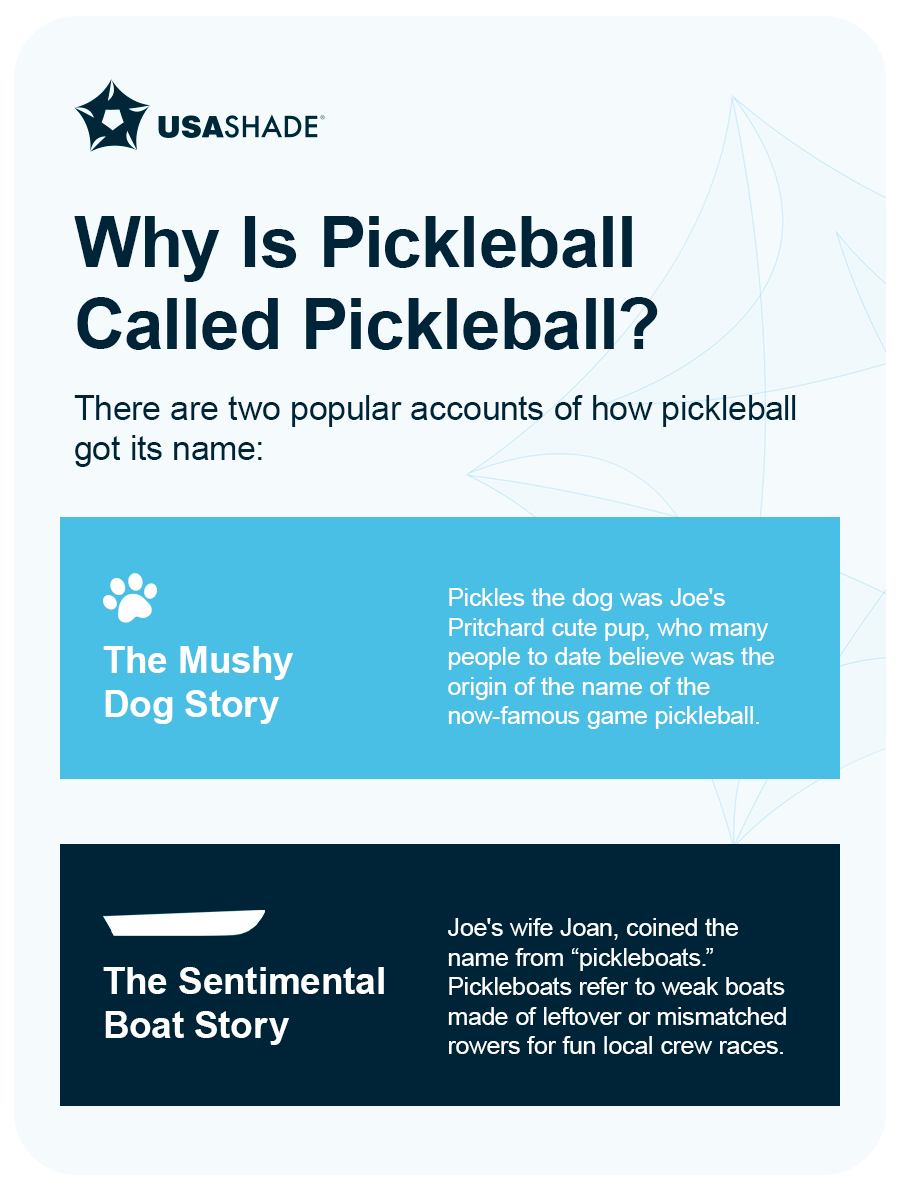
Here is the story you will hear in two versions. Some say the game was named after the Pritchard family dog, Pickles, who chased balls. Others say Joan Pritchard coined it from “pickle boat,” a crew term for a mixed boat of leftover rowers. The timeline suggests the dog came a bit later, which supports the crew story, but both versions are part of its charm.
When you talk about who made pickleball, you also talk about who named it. The name sticks because it feels light and playful, like the rallies themselves. No matter which origin you prefer, the spirit is the same. It is a game built for smiles.

Early Rules, Equipment, and the First Courts
The first permanent pickleball court was built in 1967 at McCallum’s home. Early rules created the non-volley zone, often called the kitchen, to stop easy smashes at the net. That one choice shaped the game’s rhythm. It rewards patience, soft hands, and smart placement over pure power.
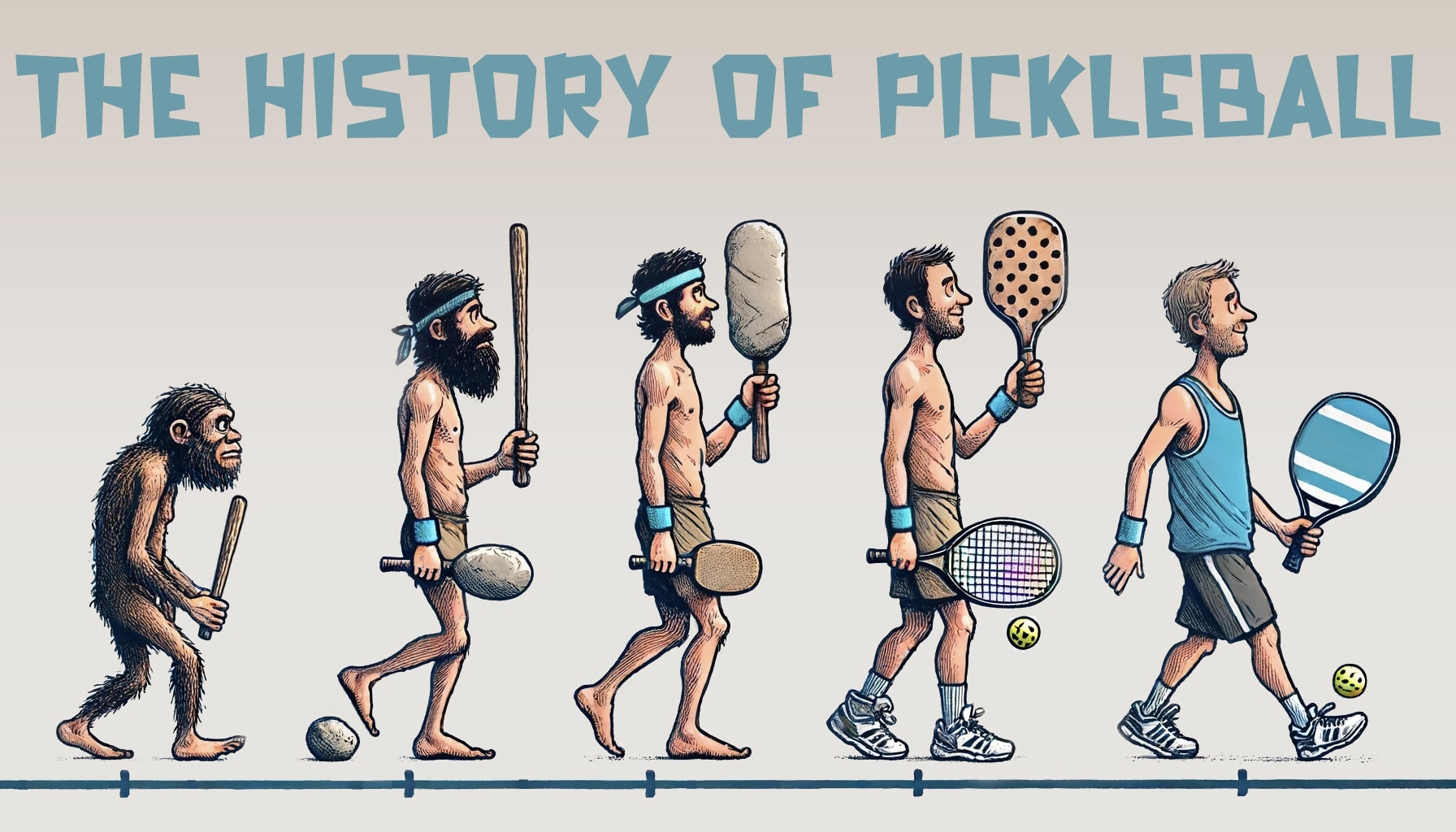
Paddles went from simple plywood to composite materials. In the 1980s, innovators introduced fiberglass and honeycomb cores, which added control without much weight. When people wonder who made pickleball paddles feel so responsive, the credit goes to a long line of tinkerers who kept the founders’ goal in mind: easy to learn, hard to master.
From Backyard Game to National Movement: A Brief Timeline
If you are searching for who made pickleball and how it grew, this quick timeline helps.
- 1965: Invented on Bainbridge Island by Pritchard, Bell, and McCallum.
- 1967: First permanent court is built.
- 1976: First known tournament is held in Tukwila, Washington.
- 1984: A national association forms to standardize rules and promote the sport.
- 1990: The game is being played in all 50 states.
- 2009: The first national championship is held in Arizona.
- 2020s: The sport booms across parks, schools, and clubs, with thriving amateur and pro tours.
Today there are thousands of courts in North America and growing scenes worldwide. Pro events, youth programs, and senior leagues keep feeding the growth. Ask who made pickleball a movement and you find the same answer the founders would give: communities did.

Why It Took Off: Design Choices That Matter
Pickleball succeeds because the design lowers the barrier to entry. The court is small. The ball slows down big swings. Rallies last longer, so new players feel involved. You sweat, laugh, and talk, all in the same game.
Those choices came straight from day one. When you study who made pickleball, you see the blueprint. Keep the rules simple. Reward control. Create space for all ages. The result is a sport where your first game can be fun and your thousandth game still teaches you something new.
Personal Notes From the Court
When I run beginner clinics, I start with the origin story. It breaks the ice and sets the tone. I say who made pickleball matters because the founders wanted family fun, not perfect form. Players relax. They smile more. They try again after a miss.
A few quick tips I share that reflect the founders’ spirit:
- Choose consistency over power. A soft dink beats a wild swing.
- Play mixed skill games. Everyone learns faster with gentle coaching and steady partners.
- Keep rallies going. Aim for one more ball over the net, every time.
These small choices bring the game back to its roots. That is how who made pickleball still guides how we play.

How to Answer who made pickleball in Any Conversation
You will get the question at open play or when teaching friends. Keep it short and clear. Then add a detail that sticks.
- Say this first: “Three dads on Bainbridge Island created it in 1965.”
- Add a hook: “They lowered a badminton net, used a plastic ball, and made a family game.”
- Handle the name: “Some say it was named after their dog, others say a rowing term. Both stories circulate.”
- Close the loop: “That is who made pickleball and why it feels welcoming from day one.”
Practice that quick script and you will have a confident answer anytime someone asks who made pickleball.
Frequently Asked Questions of who made pickleball
Who made pickleball, in one line?
It was invented in 1965 by Joel Pritchard, Bill Bell, and Barney McCallum. They created it on Bainbridge Island for their families.
Where was pickleball first played?
The first games were on a backyard badminton court on Bainbridge Island, Washington. The net was lowered, and they used a perforated plastic ball.
Is the sport named after a dog?
Two stories exist. One credits the Pritchards’ dog, Pickles, and the other points to “pickle boat,” a crew term. The crew story fits the timeline better, but both are popular.
What early rule made pickleball unique?
The non-volley zone, often called the kitchen, changed everything. It rewarded touch, placement, and longer rallies over pure power.
When was the first official tournament?
A notable early tournament took place in 1976 in Tukwila, Washington. It helped standardize rules and raise awareness of the sport.
Who made pickleball paddles evolve from wood to composites?
Early players started with plywood paddles. Innovators in the 1980s introduced composite materials that boosted control and consistency.
How did pickleball spread to all 50 states?
Clubs, PE programs, and rec centers embraced it because it is easy to teach and fun fast. National groups and local volunteers built courts and held events that fueled growth.
Conclusion
The answer to who made pickleball is simple, but the impact is huge: three neighbors built a family game that the world embraced. Their choices still guide the sport today, from the kitchen rule to the friendly learning curve. If you love close rallies and shared laughs, you are living their vision.
Take this story to your next open play. Teach a new friend the basics. Share who made pickleball and why it matters. Want more guides and tips? Subscribe for weekly breakdowns, court-tested drills, and gear advice tailored to your game.