It’s named after a “pickle boat” in rowing, not a jar or a dog.
If you have ever typed why called pickleball into a search box, you are not alone. I have coached new players for years, and this question kicks off most clinics. Here is a friendly, expert guide that answers why called pickleball in plain words, with facts, context, and a few stories from the court.

The two origin stories behind the name
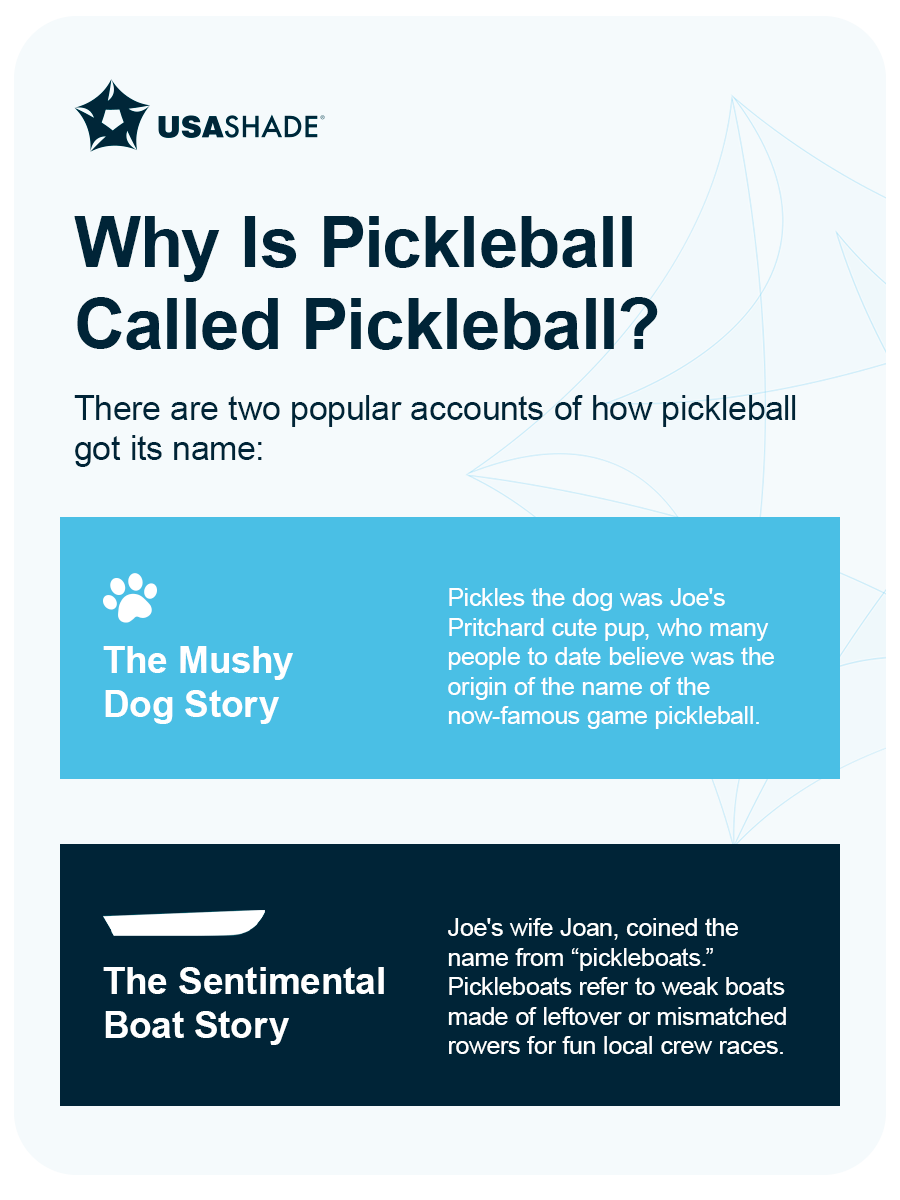
Two stories try to answer why called pickleball. The first is the rowing story. The second is the dog story.
The rowing story comes from the founding family. In 1965, on Bainbridge Island, Washington, three friends built a backyard game. Their names were Joel Pritchard, Bill Bell, and Barney McCallum. Joan Pritchard, Joel’s wife, said the mash-up looked like a “pickle boat.” That term means a boat crewed by leftover rowers from many teams.
The dog story says the game was named after a family dog called Pickles. It is a cute image. A dog chases a ball. A sport gets a name. But family accounts and local records say the dog came after the game. The pup was named after the game, not the other way around.
When people ask why called pickleball, I start with both stories. Then I point to the family’s own words and museum records. Those are the most reliable sources.

What is a pickle boat, anyway?
If you wonder why called pickleball, the key is this simple phrase. A pickle boat is a mixed crew in rowing. It is the last boat that forms for a race. It has rowers from here and there. It is a blend.
Pickleball was also a blend. It used a badminton net. It used a Wiffle-style ball. It borrowed rules from tennis and table tennis. The term fit the game like a glove. It was light and fun. It was also exact.
Many early write-ups use this rowing link. Coaches still use it. It helps answer why called pickleball in one line that sticks.

A quick timeline of how the name stuck
People love a clean story. So here is a fast map you can share when asked why called pickleball.
- 1965: The game starts on Bainbridge Island. Families play on a tweaked badminton court.
- 1965–1966: Joan Pritchard coins the name from the pickle boat term.
- Late 1960s: A family dog named Pickles shows up. The pup chases balls.
- 1970s: Local news shares the new sport. The dog story spreads in some pieces.
- Later: Family statements and history notes back the pickle boat origin.
I show this list in my intro clinics. It keeps the “why called pickleball” talk short and clear.

Why the myth persists
So why do people still ask why called pickleball if the answer seems clear? Because stories with dogs are sticky. A photo of a happy pup grabs the mind. A rowing term does not.
There is also a simple twist. Early articles mixed the two stories. Once a fun myth lands, it gets shared again and again. Some brands also liked the dog tale. It felt warm and friendly for new fans.
When I teach, I do not shame the myth. I smile and share both. Then I give the rowing proof in a kind tone. It keeps the mood light and builds trust.

Does the name help or hurt the sport?
The name is quirky. That helps. People hear it and ask why called pickleball. That question opens a door. I have seen hundreds sign up for a demo class due to simple curiosity.
Quirky names travel well online. They make strong word-of-mouth loops. They spark headlines and memes. Yet a fun name also needs clear facts. When I coach, I give the one-line pickle boat origin. Then I move to play. That shift builds respect for the sport.
New players remember the story. They share it with friends. It turns a laugh into a lesson. It also keeps why called pickleball from becoming a trivia fight.

How to explain the name like a pro
You will get the why called pickleball question at open play. Here is a simple script you can use.
- Start short: It’s named after a pickle boat in rowing. The game mixed parts from other sports.
- Add context: The family dog named Pickles came later. Cute story, wrong order.
- Keep it kind: Both stories are part of the sport’s early days.
- Pivot to play: Want to try a few dinks and see why it caught on?
A few tips that work for me:
- Use one clear sentence before any detail.
- Avoid debate. Share the source and move on.
- If someone loves the dog tale, let them. Then invite them to play.
This approach answers why called pickleball fast. It also keeps the vibe friendly on the court.

Frequently Asked Questions of why called pickleball
Why called pickleball instead of something sporty like paddle tennis?
The founders wanted a name that matched the sport’s blend. Pickle boat captured that mix better than a strict tennis label.
Is the dog story totally false when asking why called pickleball?
The dog was real and beloved. But accounts from the family say the dog was named after the game, not the source of the name.
What does pickle boat mean in simple words for why called pickleball?
It means a mixed crew, often the last boat made up of spare rowers. The sport also mixed parts from many games.
Why called pickleball if it confuses new players?
The quirky name sparks interest. It opens a quick chat that leads to a fun first game and fast learning.
Does any official group address why called pickleball?
Official histories and family statements point to the pickle boat origin. Many museums and sport groups repeat that record.
How can I answer friends who ask why called pickleball?
Say this: Pickleball was named after a pickle boat in rowing. The dog named Pickles came later.
Conclusion
Now you can answer why called pickleball with ease. It points to a pickle boat, a perfect label for a blended sport. Yes, the dog story is cute. It is part of the lore, but not the root.
Share the one-line origin at your next open play. Then help someone try their first serve. If this helped, subscribe for more quick guides, drills, and gear tips—or leave a comment with how you explain the name on your courts.