It likely came from shuffleboard’s “kitchen” zone and early court slang.
Curious minds keep asking why is it called the kitchen in pickleball. I’ve coached hundreds of new players, and this one comes up almost every clinic. In this guide, I’ll unpack the real story behind the name, how it links to the rules, and how the kitchen shapes strategy. If you want clear, friendly insight into why is it called the kitchen in pickleball, plus tips to use it to your advantage, you’re in the right place.
What Is the Kitchen, Exactly?
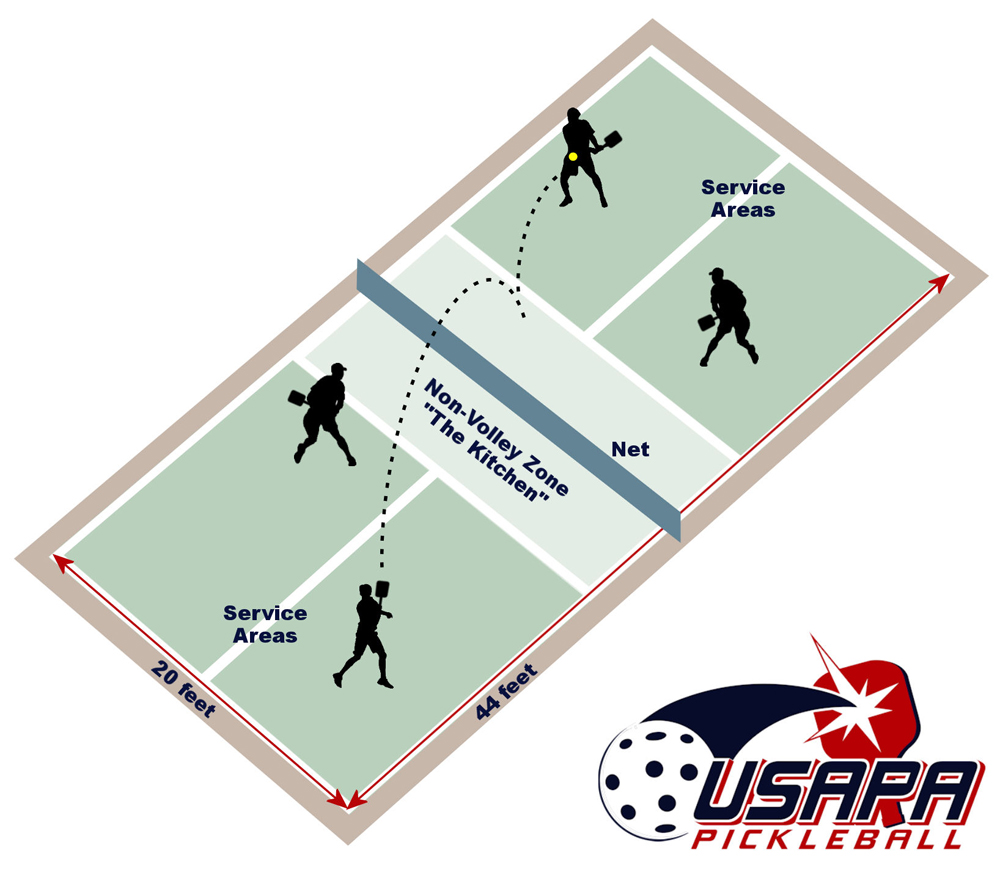
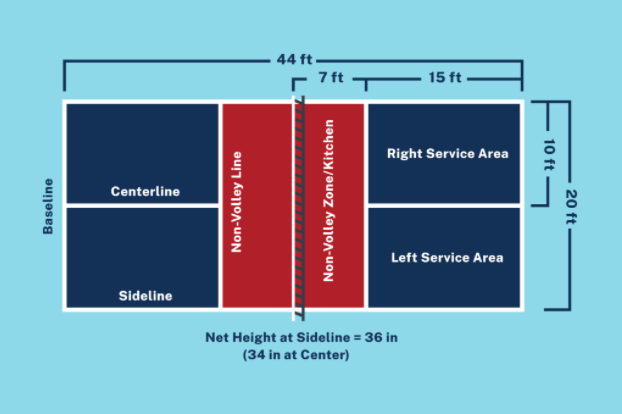
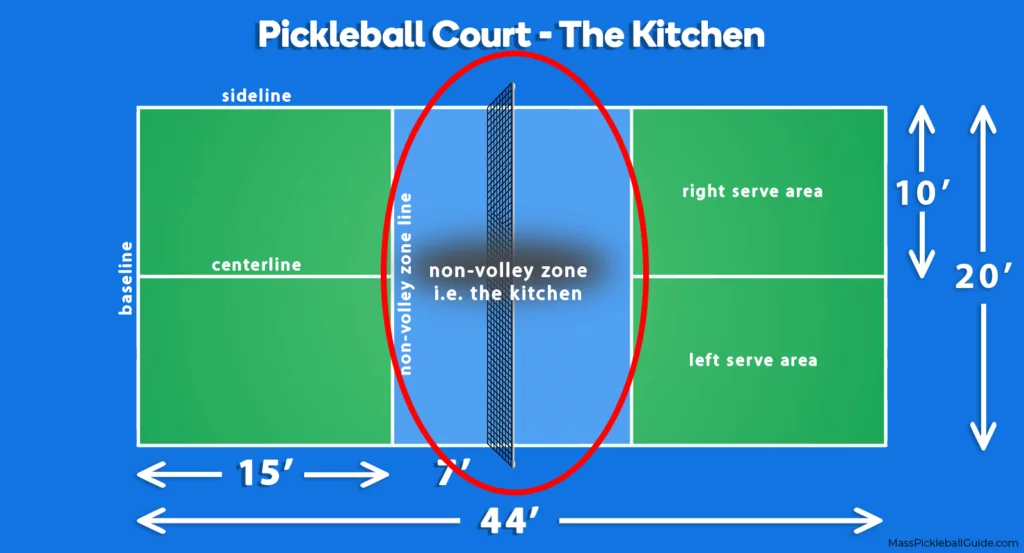
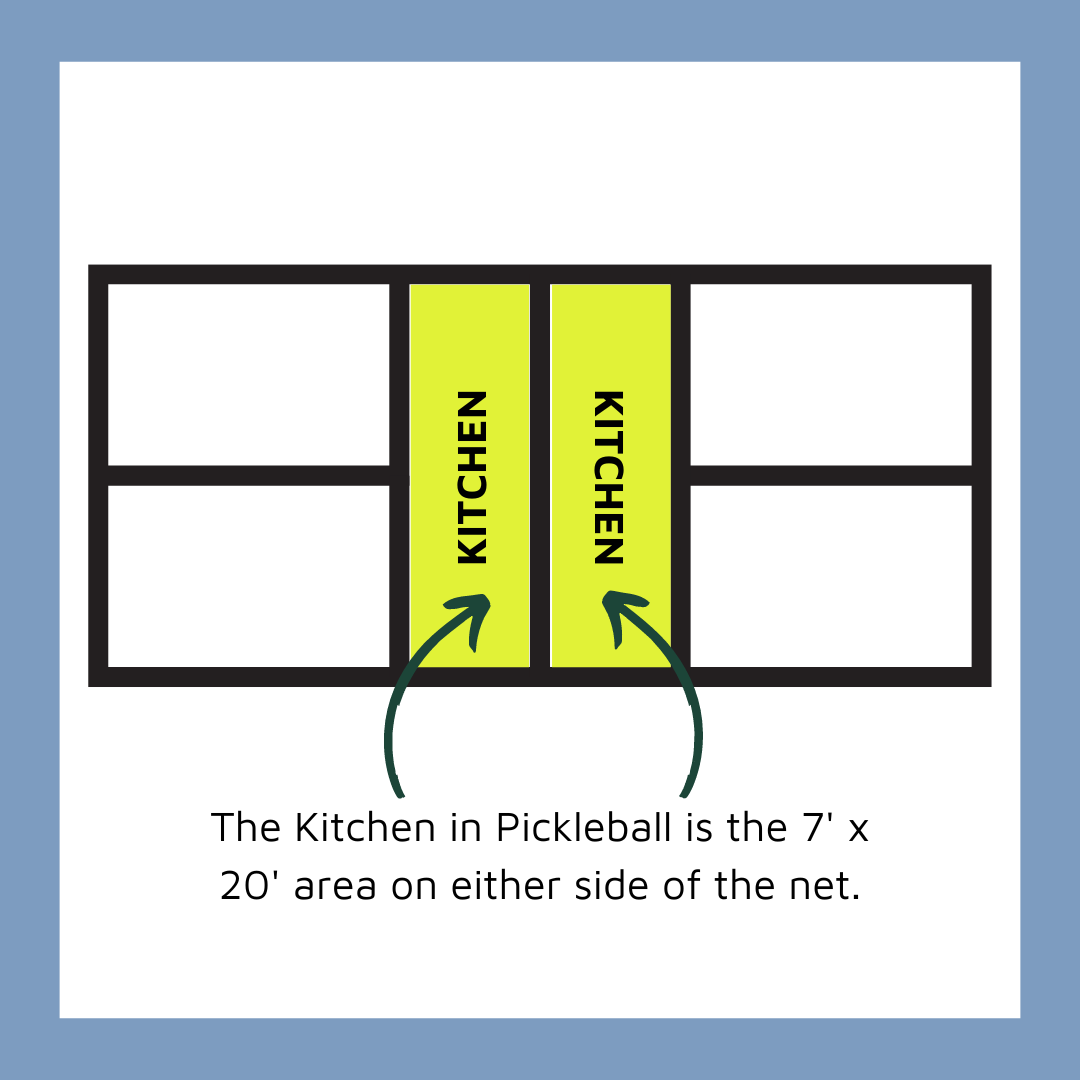
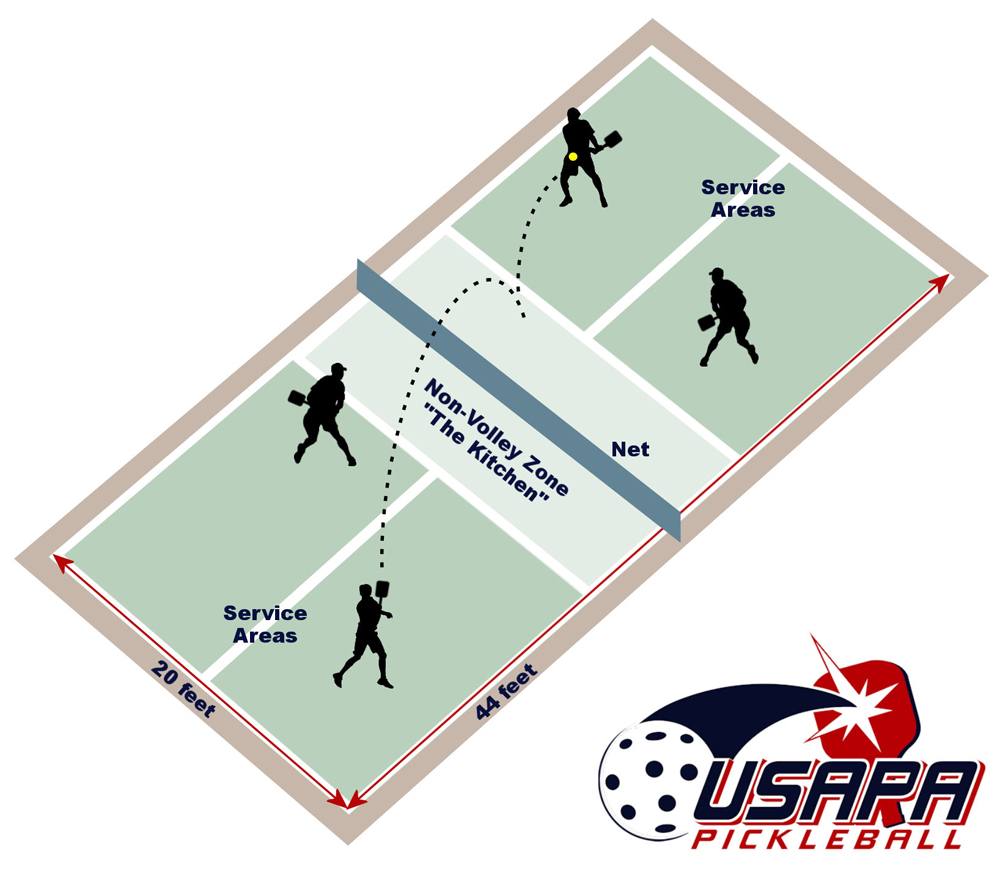
The kitchen is the non-volley zone. It is the 7-foot area on both sides of the net. If you stand in it, you cannot volley the ball. That means no hitting the ball out of the air while your feet or anything you wear touches the zone.
Think of it as a safety buffer that creates longer rallies. It rewards soft play and control. It also tests patience. Many players learn fast that rushing the kitchen leads to errors.
Key basics you should know:
- The line is part of the kitchen. Touching it counts as being in the zone.
- You can step in to hit a ball that has bounced. You just must re-establish outside the zone before the next volley.
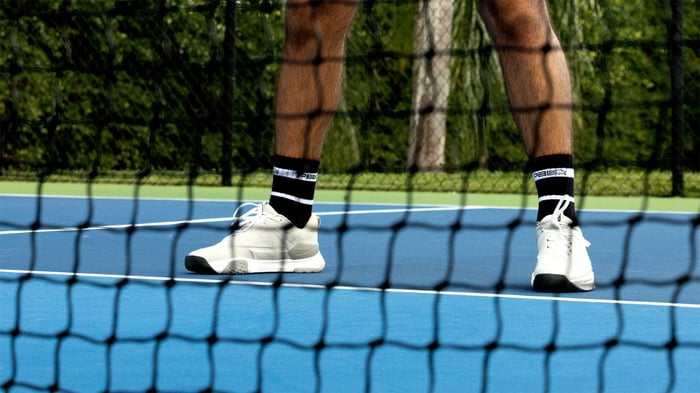
- Momentum counts. If you volley and then fall into the kitchen, it is a fault.
If you have ever wondered why is it called the kitchen in pickleball, you are not alone. The term is catchy, but the rules are precise. Knowing both helps your game.
Where Did the Word “Kitchen” Come From?
The most cited origin points to shuffleboard. In shuffleboard, the “kitchen” is the penalty area behind the scoring zones. Land a puck there and you get a negative score. Early pickleball players often came from other rec sports. The slang crossed over and stuck.
Other ideas float around. Some say it nods to the phrase, “If you can’t stand the heat, get out of the kitchen.” That fits the pressure at the net. But there is less proof. The shuffleboard link has the strongest trail in rec-center lore, early player stories, and rule discussions.
What I have seen in community clubs:
- Players who also run shuffleboard nights use the word without thinking.
- New players learn the term first, then the rule name (non-volley zone) later.
- Local coaches teach both names to avoid confusion during clinics and games.
So, why is it called the kitchen in pickleball? The most reliable answer is the shuffleboard term. It captures the idea of a danger zone where a simple mistake costs you.
How the Kitchen Shapes Strategy and Points
The kitchen shapes almost every point at higher play. You cannot volley from there. So you must build the point to reach the line and then win with soft control.
Core impacts on strategy:
- The two-bounce rule sets up a slow start. Then both teams try to get to the line fast.
- Dinks rule. Gentle shots that land in the kitchen keep the ball low and force errors.
- Volleys from outside the zone are key. Good teams hold the line and press without stepping in.
I like to think of the kitchen as a magnet. It pulls all four players to the same small space. Then you fight for inches. When friends ask why is it called the kitchen in pickleball, I add this: it is where the real cooking happens. Heat, control, timing, and a dash of nerve.
Practical example:
- Your partner returns deep, you both split-step near the line.
- The other team drops the ball into the kitchen.
- You dink crosscourt to avoid the net post and create a higher net window.
- You wait for a pop-up, then put the ball away with a volley from just behind the line.
Myths, Misconceptions, and Facts
There are many myths about the kitchen. Let’s clear them up so you do not lose points.
Common myths:
- You cannot step in the kitchen at all. Fact: You can, if the ball has bounced.
- The kitchen is only for dinks. Fact: You can reset, drop shot, and even drive a low ball from there.
- If your paddle touches the line, it is fine. Fact: Any contact by you or your gear with the kitchen during a volley is a fault.
- The term is in the official rulebook. Fact: The official name is non-volley zone. Kitchen is slang, widely used in play.
If you have asked yourself why is it called the kitchen in pickleball, now you also know what it is not. Avoid the myths, and your calls will be sharper.
Tips to Master Play Around the Kitchen
You do not have to be tall or strong to win here. You just need clear rules, quiet hands, and smart footwork.
Drills I teach often:
- Wall dinks. Stand an arm’s length from a wall. Hit soft, low shots that rebound below your waist.
- Triangle dinks. Aim short crosscourt, then middle, then down the line. Repeat for rhythm.
- NVZ line volleys. Plant your toes behind the line. Practice firm but relaxed punch volleys.
- Reset practice. Feed a hard ball to your backhand. Drop it softly into the kitchen to slow the point.
Match tips that work:
- Keep your paddle up. Face the ball. Elbows in. Small swings.
- Move as a pair with your partner. Slide left and right together.
- Avoid late lunges that pull you into the kitchen after a volley.
- Use the kitchen to change tempo. Slow the game when rushed.
People who search why is it called the kitchen in pickleball often want more than trivia. They want to win near the net. These tools get you there.
Etiquette, Calls, and Common Errors
Good play also means fair calls. The kitchen can be tight to judge. Be honest and calm, and you will earn respect.
What to watch:
- Foot faults. Refs and players watch your toes. Pause and reset between shots.
- Momentum faults. Do not backpedal into the kitchen after a volley. Control your body.
- Partner help. If you see your partner slip into the zone mid-volley, call it on your team.
Personal lesson learned:
In my first local final, I volleyed a sitter and my cap fell into the kitchen. Fault. I learned to secure loose gear. Since then, I tell players to take off hats and hang towels. Little things can cost big points.
If you are still wondering why is it called the kitchen in pickleball, picture a busy home kitchen. Tight space. Hot pace. One spill changes the meal. That is why clean habits matter.

Frequently Asked Questions of why is it called the kitchen in pickleball
Why is it called the kitchen in pickleball?
The most accepted reason is the shuffleboard “kitchen,” a penalty zone. Early players borrowed the term, and it stuck in pickleball slang.
Is “kitchen” in the official rulebook?
No. The rulebook uses non-volley zone. Players and coaches say kitchen in casual play, clinics, and broadcasts.
Can I step into the kitchen after a volley if the ball is dead?
If your volley caused your momentum to carry you in, it is still a fault. You must fully stop your momentum before entering.
Do lines count as part of the kitchen?
Yes. The lines are part of the non-volley zone. Touching the line during a volley is a fault.
Why is it called the kitchen in pickleball if it is a serious rule?
Slang travels fast in sports. The fun name helps people remember a strict rule with big impact.
How many times can I step in and out of the kitchen?
As many as you want, as long as you do not volley while in the zone. Step in for a bounce, then step out to reset.
Does the kitchen rule apply in singles and doubles?
Yes. The non-volley zone rules are the same in both. It shapes tactics in singles too.
Conclusion
The short story behind why is it called the kitchen in pickleball points to shuffleboard slang. The long story is richer. The kitchen drives style, pace, and skill. It teaches touch, patience, and teamwork at the line.
Use the ideas here to level up your play. Drill your dinks. Hold your line. Cut errors with clean footwork. If this helped you grasp why is it called the kitchen in pickleball, share it with a partner, subscribe for more tips, or drop a question in the comments.