
Wooden pickleball paddles are good for budgets and beginners, but limit performance.
If you’ve wondered are wooden pickleball paddles good, you’re in the right place. I’ve coached new players, tested dozens of paddles, and played with wood, composite, and carbon fiber. In this guide, I break down how wood feels on court, who it suits, and when to upgrade. I’ll share data, real court notes, and simple tips so you can decide with confidence.
What Makes a Wooden Pickleball Paddle Different?
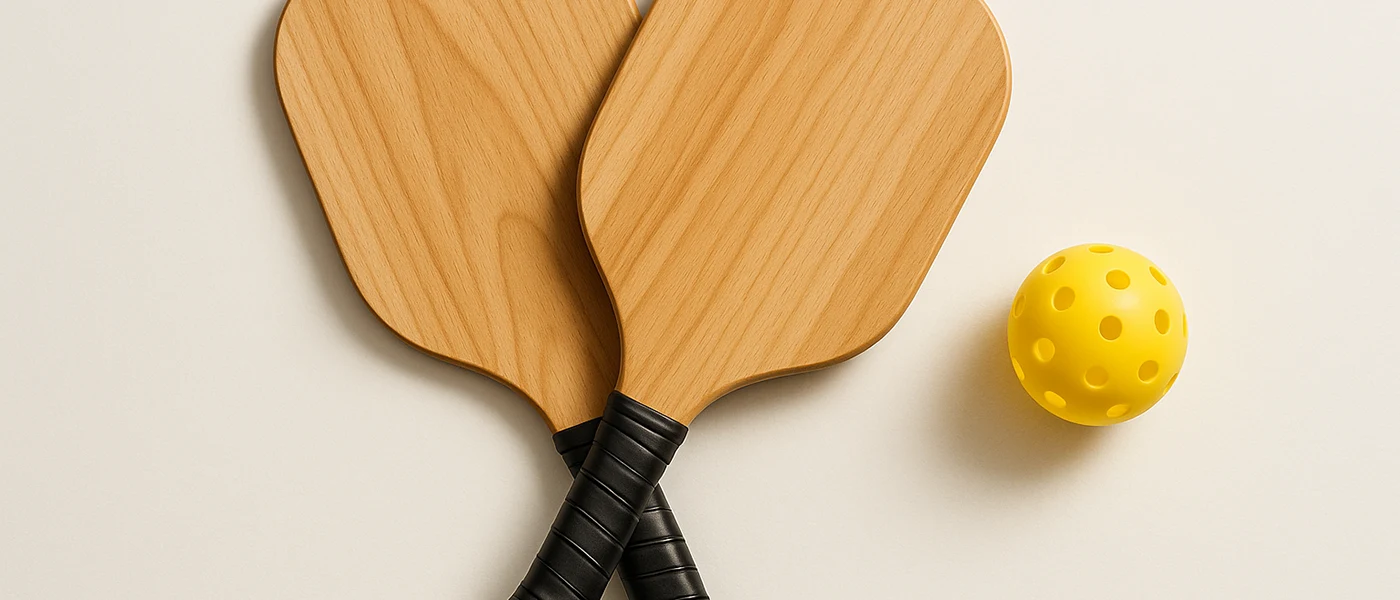
Most wooden paddles use solid plywood or layered hardwood. There is no honeycomb core. That means more mass, less flex, and a firm feel. The face is smooth and durable, but not very grippy for spin.
Typical weight runs 9 to 12+ ounces. Many composite or graphite paddles sit near 7.5 to 8.5 ounces. This extra weight helps stability on blocks. But it can slow your hand speed at the kitchen line.
USA Pickleball rules allow wood and non-wood materials. What matters is surface roughness, size, and safety. So the question are wooden pickleball paddles good depends on how you value cost, feel, and stamina.
Pros of Wooden Pickleball Paddles
Wood has real upsides, and they fit clear goals.
- Very affordable. You can find decent wood paddles for the price of a few court fees.
- Durable in groups. Schools, camps, and rec centers love them for volume and abuse.
- Stable on blocks. The mass helps absorb pace on drives at the kitchen.
- Easy to share. Bundled sets are ideal for family nights and first lessons.
- Simple to pick up. No need to research cores and face tech on day one.
If your goal is to test the sport with little risk, are wooden pickleball paddles good? For that use, yes.
Cons and Limitations You Will Feel on Court
The same traits that help can also hold you back.
- Heavier swing. Slower hands mean more pop-ups in fast exchanges.
- Less control touch. The sweet spot feels hard and small next to a polymer core.
- Lower spin. Smooth wood faces have less bite than textured composite or carbon.
- More fatigue. Long sessions with a heavy paddle can stress your arm and wrist.
- Moisture sensitivity. Wood can swell or chip if stored wet or in heat.
So, are wooden pickleball paddles good for players chasing sharp dinks, heavy spin, and fast hands? Not really. That is where modern cores shine.
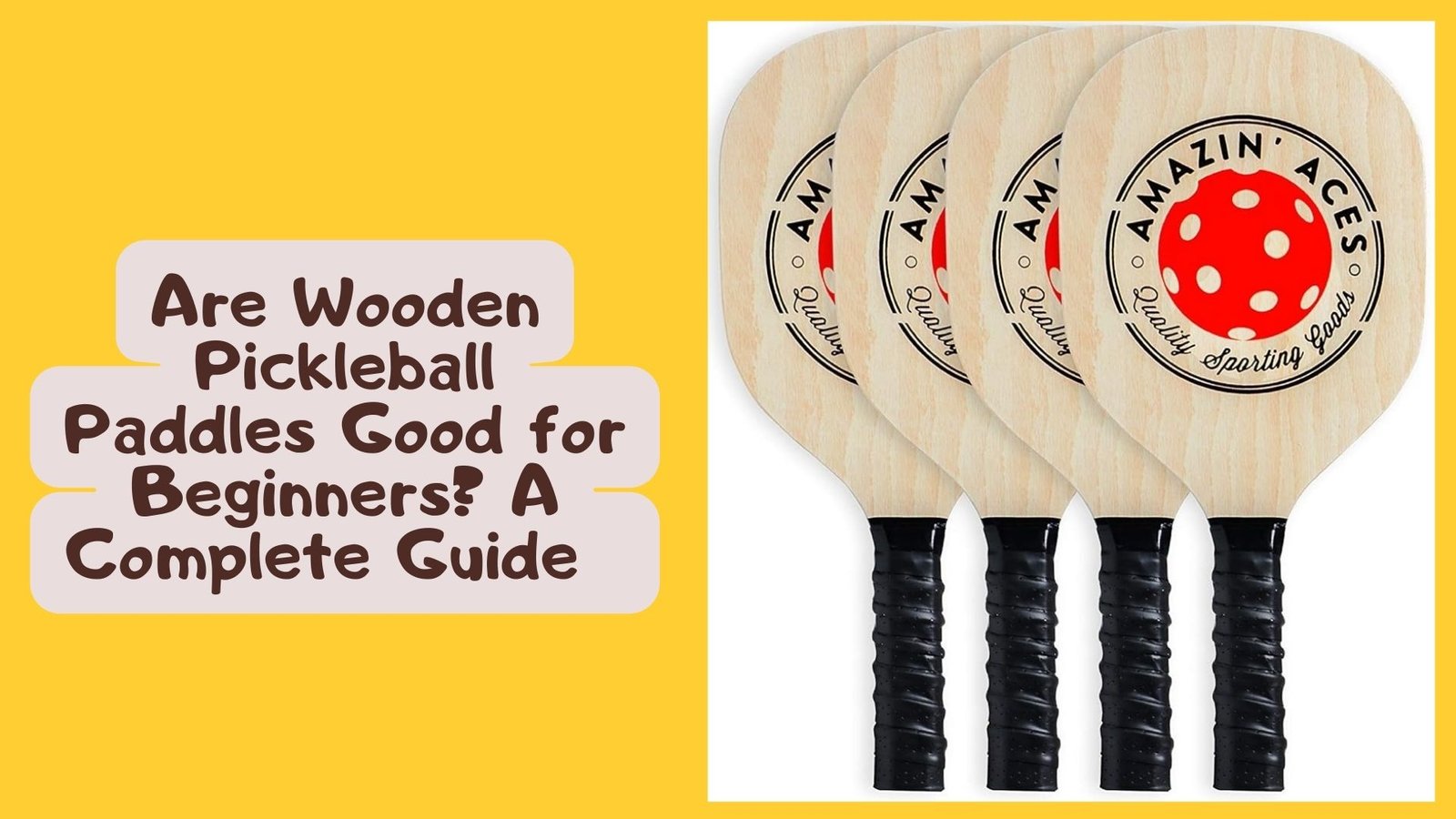
Are Wooden Paddles Good for Beginners, Kids, and Casual Play?
For a first month, yes. If you ask are wooden pickleball paddles good for total beginners, the answer is often yes because they are cheap and tough. New players learn footwork, rules, and basic strokes first. A simple paddle is fine at that stage.
For kids, wood can be too heavy. Consider a lighter junior paddle if a child struggles to lift or control the face. For casual backyard play, are wooden pickleball paddles good? Absolutely. They are low cost and can live in a garage bin without worry.

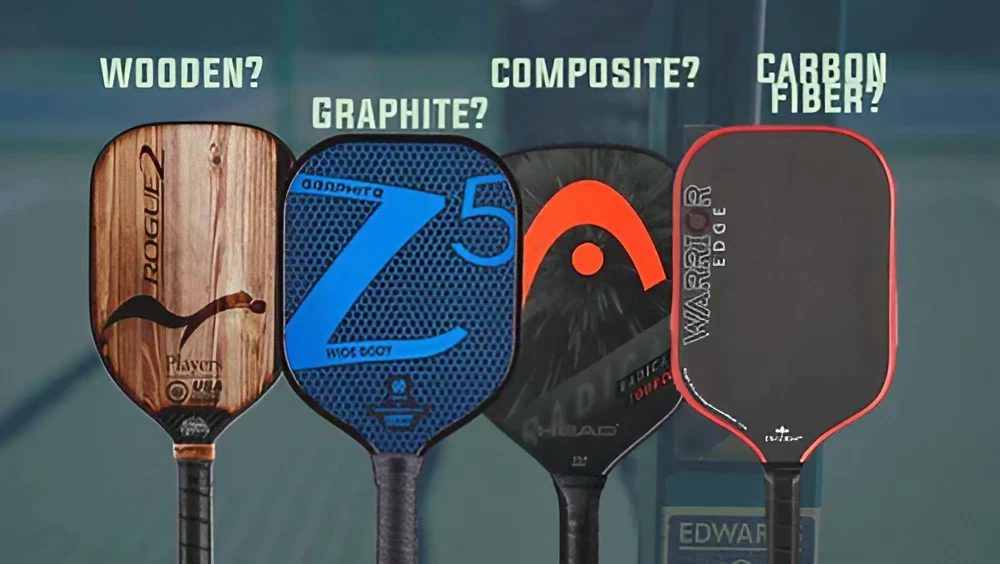
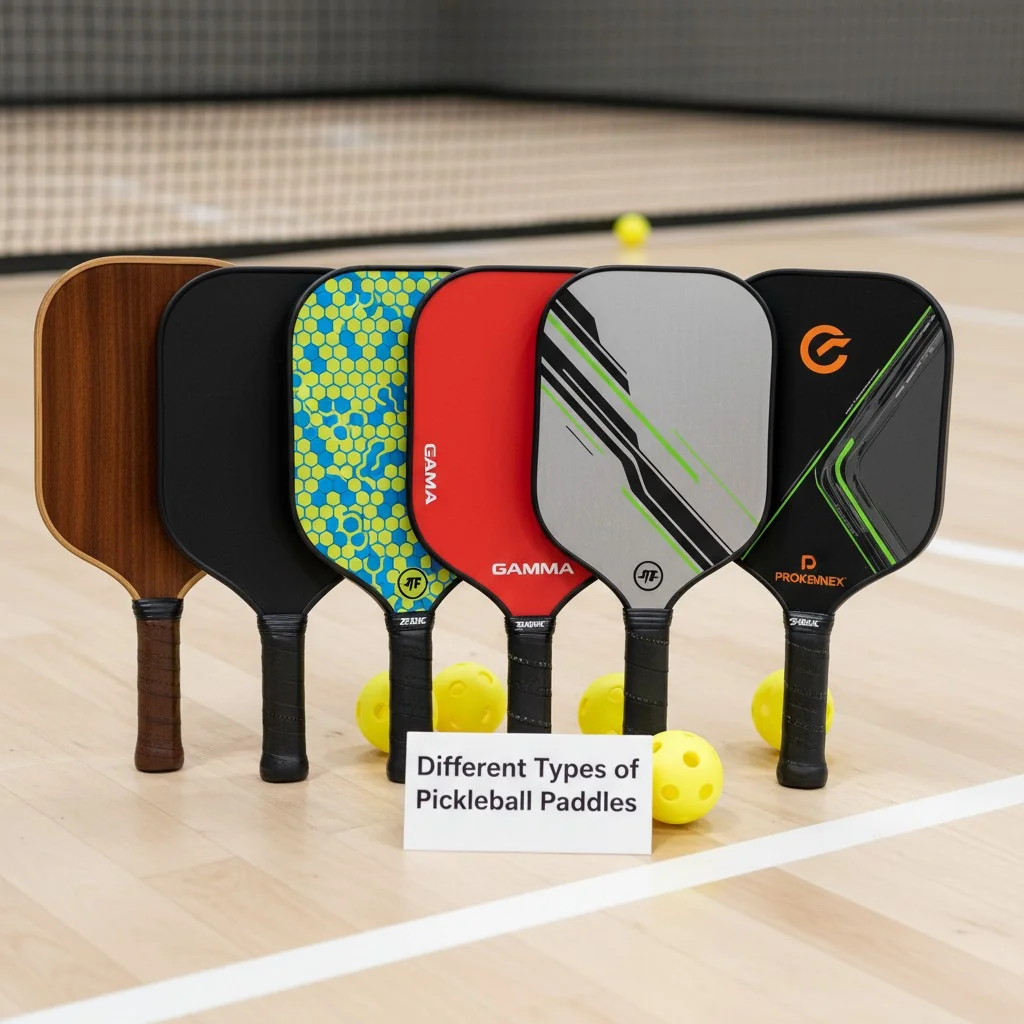
Wooden vs Composite vs Graphite
Each material has a clear feel and price range.
- Weight. Wood is the heaviest. Composite and graphite are lighter and faster in the hand.
- Control. Polymer honeycomb cores help absorb pace and enlarge the sweet spot.
- Spin. Textured faces on composite or carbon grip the ball for more shape and dip.
- Power. Carbon and composite give controlled power with better dwell time.
- Price. Wood is cheapest. Composite covers the mid range. Carbon and thermoformed paddles lead at the top.
If your game plan is drop, dink, and counter, are wooden pickleball paddles good? They work to start. But a composite or graphite paddle will speed your learning curve.
What to Look For If You Buy a Wooden Paddle
If wood fits your budget or setting, choose smart.
- Weight target. Aim for 9 to 10.5 ounces to reduce strain and keep stability.
- Grip size. Match your hand. A grip that is too big can cause wrist tension.
- Edge guard. Protects against chips on court or in a crowded gear bin.
- Safety strap. Use the strap for clinics, kids, and group play.
- Finish and seal. A sealed face and edge resist moisture and warping.
Ask yourself again, are wooden pickleball paddles good for how often you play? If you plan two or more sessions a week, you may outgrow wood fast.
Health and Injury Notes With Heavier Paddles
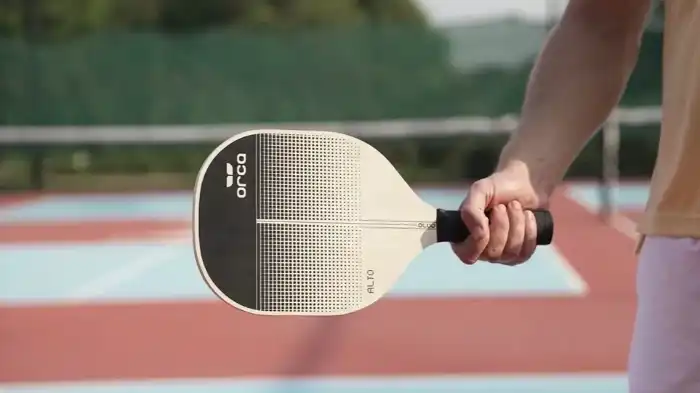
Weight is not just a feel issue. It can affect your body. Heavier paddles raise the load on your forearm and elbow, especially on mishits. Over time, that can flare up tendons.
Use the lightest wood paddle you can find. Warm up your wrist and shoulder before play. Check grip size to avoid squeezing too hard. If your elbow aches, are wooden pickleball paddles good for you right now? Likely not. Switch to a lighter composite and focus on smooth strokes.
Real-World Test Notes and Personal Tips
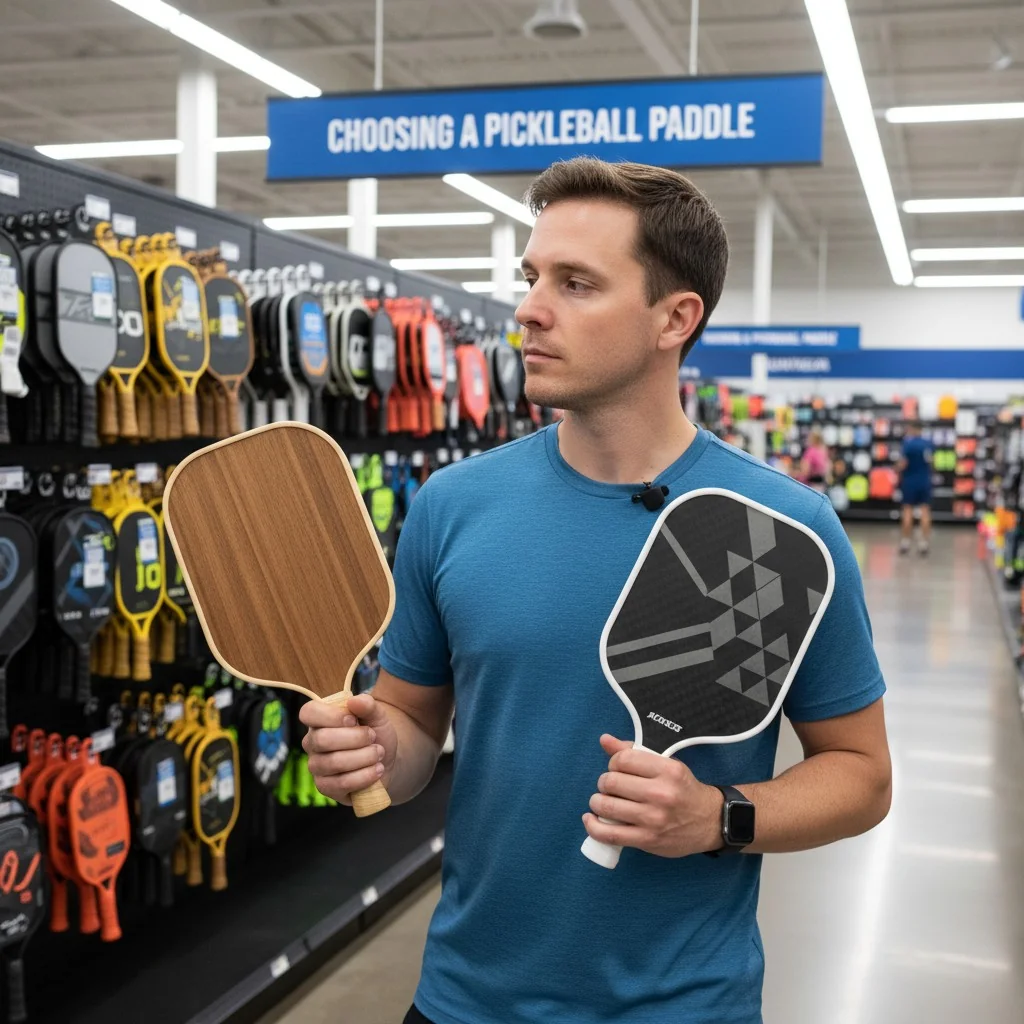
I keep a set of wooden paddles for clinics. They are great for the first 30 minutes when players learn scoring and serve rules. In controlled drills, they do fine.
In fast hands battles, wood shows its ceiling. My resets pop higher, and I lose some spin on rolls. When I swap to an 8-ounce carbon face, my blocks sit lower, and counters jump off the face with less effort.
So, are wooden pickleball paddles good for your second month? They can be, but most of my students improve quicker once they upgrade. The jump in touch and spin is obvious within one session.

Cost and Value Math
Think about cost per hour. A $25 wood paddle used 10 times costs $2.50 per session. A $90 composite used 60 times costs $1.50 per session. The second option can be cheaper over time.
If you plan to play once a month, are wooden pickleball paddles good for value? Yes. If you plan to play weekly, upgrading sooner saves your arm and helps your growth.
Care and Maintenance for Wooden Paddles
Wood lasts longer with a bit of care. Keep it dry, out of hot cars, and away from standing water. Wipe the face after sandy courts to protect the finish.
Replace an overgrip as it wears. It boosts comfort and hygiene. If the edge chips, smooth it with a tiny bit of fine sandpaper. If warping starts, retire it. At that point, are wooden pickleball paddles good to keep using? Not if they twist the face and hurt your control.
Frequently Asked Questions of are wooden pickleball paddles good
Are wooden pickleball paddles good for beginners?
Yes, they are fine for a first taste of the game. They are cheap, tough, and easy to find.
Are wooden pickleball paddles good for spin?
Not really. Most wood faces are smooth, so they create less spin than textured composite or carbon.
Are wooden pickleball paddles good for tennis elbow?
Often no. Extra weight can stress your forearm. A lighter composite paddle is safer for sore elbows.
Are wooden pickleball paddles good for indoor play?
Yes for casual games. They work well in gyms and school programs where durability matters.
Are wooden pickleball paddles good compared to graphite?
They are cheaper but lower in control, spin, and hand speed. Graphite or carbon models help you improve faster.
Conclusion
Wooden paddles serve a clear purpose. They are cheap, sturdy, and great for first swings, group sets, and casual fun. But if you plan to improve your soft game, add spin, and win fast exchanges, a lighter composite or graphite paddle will help more and protect your arm.
Try wood if you need a low-cost start, then set a date to test a modern core. Your touch and confidence will jump fast. Ready to dive deeper? Subscribe for paddle reviews, gear guides, and drills to level up your game.