A slightly heavier, head-light paddle often eases tennis elbow more than a very light one.
If you’re asking is a heavy or light pickleball paddle better for tennis elbow, you’re already on the right path. I’ve coached players through elbow pain for years, and I’ve tested more paddles than I can count. In this guide, I’ll break down how weight, balance, and build change stress on your arm. You’ll get clear steps, real examples, and a simple plan to find a setup that feels good and lets you play longer.

How paddle weight really affects tennis elbow
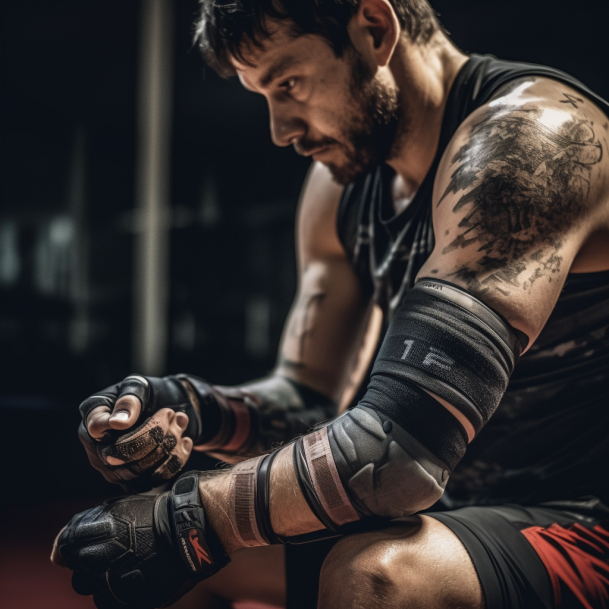
Weight changes two big things: shock and torque. A heavier paddle tends to lower shock and vibration at impact. That can help a sore tendon. But if the paddle is heavy and head-heavy, it can raise torque at the elbow and tire your forearm.
A light paddle swings fast and feels easy at first. Yet it may pass more shock to the arm, and off-center hits can sting. That “sting” is what bothers tennis elbow the most.
Swing weight matters more than static weight. Two paddles can both weigh 8.0 oz, yet the one with a head-light balance often feels safer. It reduces twisting on misses and cuts peak load on your elbow.
So, is a heavy or light pickleball paddle better for tennis elbow? In many cases, a slightly heavier, head-light paddle with a soft core is best. It keeps vibration down while staying quick at the kitchen line.
Heavy vs. light paddles: real pros and cons for sore elbows
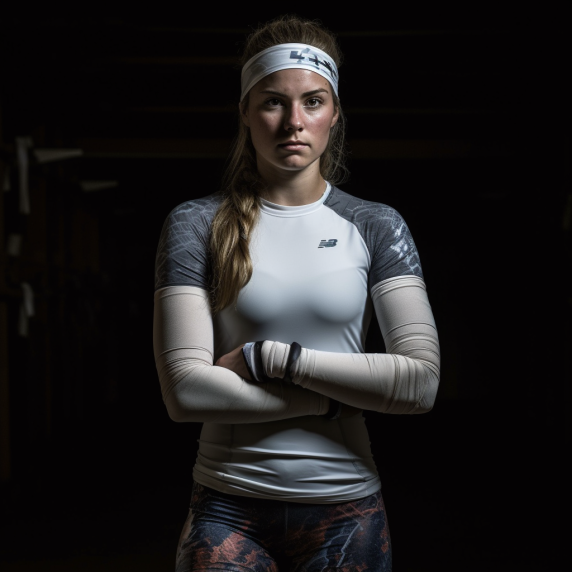
A quick way to think about it: manage shock first, then manage fatigue. Here is a simple breakdown.
Heavy or mid-heavy (about 8.0–8.6 oz)
- Pros: Lower shock and vibration, more stable on mishits, less “sting.”
- Cons: Can feel slow if head-heavy, may tire forearm over long sessions.
Light or mid-light (about 7.5–7.9 oz)
- Pros: Faster hand speed, easier to start and stop, good for quick hands.
- Cons: More shock, less stable on the edge, more twisting on misses.
Who often prefers heavier, head-light
- Former tennis players with clean strokes and good timing.
- Players who feel sting on off-center hits and want more stability.
Who often prefers lighter or mid-weight
- Newer players building form and not yet strong in the forearm.
- Players with very fast hands who want to reduce late swings.
When someone asks me is a heavy or light pickleball paddle better for tennis elbow, my field answer is this: go mid-to-heavy with a head-light balance and a soft core. Then tune from there. This blend reduces impact shock yet avoids a sluggish feel.
Beyond weight: specs that protect your elbow
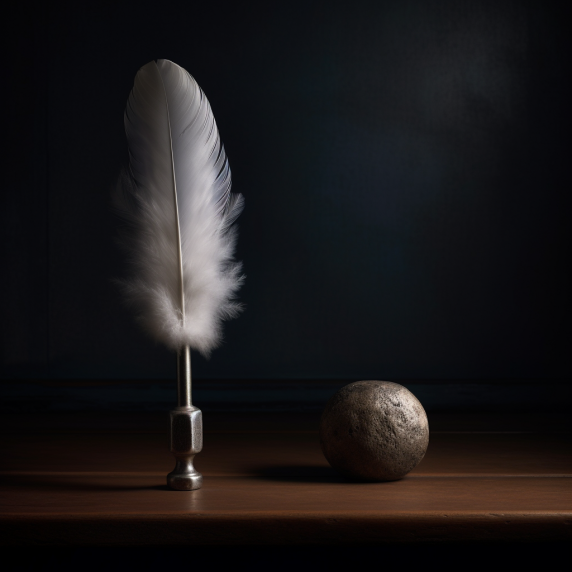
Weight is only one lever. These other specs matter a lot for pain control.
Balance point
- Head-light reduces torque on the elbow during quick exchanges.
- You can add a little grip-end weight to shift balance without adding much swing mass.
Grip size and shape
- A grip that is too small forces a tight squeeze and wrist flicks.
- A grip that is slightly larger often calms the forearm extensor tendons.
Core thickness and material
- Thicker polymer cores (around 16 mm) dampen vibration better than thin, stiff builds.
- Softer cores spread impact over more time, which the tendon likes.
Face material
- Carbon fiber faces pair well with thicker polymer cores for control with fewer harsh shocks.
- Textured faces add spin without needing hard wrist action.
Overgrips and dampening
- A tacky, cushioned overgrip adds comfort and raises grip size a touch.
- Edge tape or thin lead near the throat can boost stability without making the paddle feel tip-heavy.
These factors answer more than half the question is a heavy or light pickleball paddle better for tennis elbow. Together, they reduce shock and twisting, which is the pain trigger for many players.
A 15-minute test to pick the right paddle
Try this quick field test before you buy. Bring two or three paddles with different balances.
Warm-up and note a baseline
- Rally at half pace. Notice any sharp twinges on the outside of the elbow.
Vibration feel test
- Hit five soft dinks, then five firm drives in the sweet spot.
- Note which paddle feels “thuddy” (good) vs “tinny” (not good).
Off-center control test
- Purposefully clip the ball slightly high on the face, then near the edge.
- Stable paddles twist less and feel safer for tennis elbow.
Block and volley test
- Block 10 hard balls at the kitchen. Focus on comfort and control, not power.
Serve and third-shot drop
- Serve five balls, then hit five drops. Look for smooth, shock-free contact.
Pain and fatigue score
- Use a simple 0–10 scale for pain and for forearm fatigue.
- Pick the paddle that scores lower pain and still swings easy.
Next-day check
- The real test is the next morning. If you feel less sore, you’re close.
If a friend asks is a heavy or light pickleball paddle better for tennis elbow during this test, I tell them to pick the model that stays quiet on mishits and does not spike next-day soreness, even if it is a bit heavier on paper.
Sample setups and smart recommendations
Here are safe starting points that I’ve seen work well on-court.
Control-first players with elbow pain
- 8.0–8.4 oz, head-light balance, 16 mm core, carbon face.
- Medium to slightly larger grip with a cushioned overgrip.
Former tennis players who like pace
- 8.2–8.6 oz, head-light to even balance, 16 mm core.
- Add a little throat weight for stability without extra tip weight.
Seniors or players returning from injury
- 7.8–8.2 oz, clearly head-light, 16 mm core.
- Prioritize comfort and control over power until pain calms.
Power hitters with a history of tennis elbow
- 8.0–8.5 oz, head-light, 16 mm core, stable throat.
- Use technique for power. Avoid chasing speed with very stiff gear.
Chronic tendinopathy cases
- Work with a coach or PT while you test paddles.
- Keep a log of pain scores, time on court, and paddle specs.
Across all groups, the core idea behind is a heavy or light pickleball paddle better for tennis elbow stays the same: pick stable, head-light, and soft-feeling before you chase raw power.
Technique, training, and recovery tips that help
Good gear helps, but your swing matters most. Small fixes can save your elbow.
Simplify the wrist
- Use a firm wrist on blocks and dinks. Reduce sharp snaps on drives.
- Keep a neutral wrist at contact, like “shaking hands” with the paddle.
Use the body, not just the arm
- Load with legs and torso. Let the paddle flow, do not force it.
- Shorten the backswing at the kitchen. Soft hands, smooth push.
Build tendon strength
- Do slow, controlled wrist extensor work with light bands or a flex bar.
- Eccentric reps help tendons adapt and calm down over time.
Manage load
- Warm up with easy dinks and gentle drives.
- Rest at the first sign of sharp pain. Swap to soft games if needed.
Medical and support options
- A counterforce strap can lower peak tendon load during matches.
- If pain lingers, see a clinician who knows sport tendons.
These habits answer more than “is a heavy or light pickleball paddle better for tennis elbow.” They tackle the root cause: too much load, too fast, in the wrong spot.
Frequently Asked Questions of "is a heavy or light pickleball paddle better for tennis elbow"
Is a heavy paddle always safer for tennis elbow?
Not always. Heavier paddles reduce shock, but head-heavy designs can strain your forearm. Aim for slightly heavier yet head-light with a soft core.
Can a very light paddle prevent pain?
It may feel easy at first, but it can send more shock to the elbow. Light paddles also twist more on mishits, which can trigger pain.
How does grip size affect tennis elbow?
A grip that is too small makes you squeeze hard and flick the wrist. A slightly larger, cushioned grip spreads load and calms the tendon.
What specs should I prioritize if I have elbow pain?
Pick a 16 mm polymer core, head-light balance, and a cushioned overgrip. Then choose mid to mid-heavy weight for stability and less sting.
Where should I add lead tape if I need more stability?
Add small amounts near the throat or handle to keep it head-light. This boosts stability without making the paddle feel tip-heavy.
Does the answer change for beginners?
Often yes. New players might start mid-weight and head-light to learn control. As skill grows, they can test slightly heavier setups.
Is a heavy or light pickleball paddle better for tennis elbow if I play doubles only?
For fast kitchen exchanges, a head-light, mid-to-heavy paddle works well. It stays stable on blocks yet moves fast in the hand.
How do I know if my paddle is too head-heavy?
If your wrist feels pulled forward on quick exchanges, it’s too head-heavy. You may also feel more twist and late contact on fast balls.
Will a carbon fiber face hurt my elbow?
Not if paired with a thick polymer core and good balance. The core and balance do more to reduce shock than the face alone.
How soon should I feel relief after switching paddles?
Many feel a change within a week of play. Track next-day soreness to confirm the paddle is helping.
Conclusion
A clear pattern shows up again and again: stable, head-light, and slightly heavier paddles calm shock and protect sore tendons. If you’re asking is a heavy or light pickleball paddle better for tennis elbow, start mid-to-heavy with a 16 mm core, tune the balance head-light, and use a cushioned grip.
Test with the simple plan above, log your pain scores, and adjust one variable at a time. Your elbow can feel better, and your game can grow. Try these steps this week, share your results, and subscribe for more gear-tested guides and rehab tips.