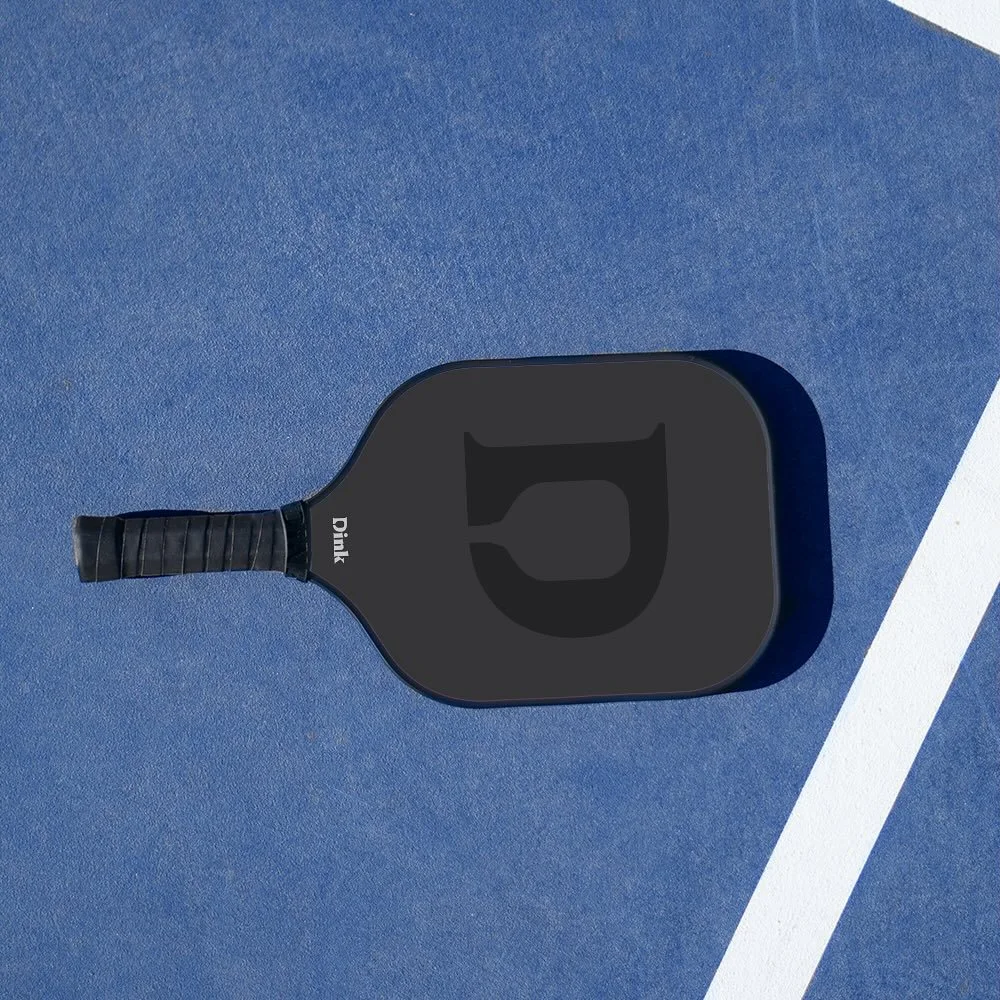
The best material is a raw carbon fiber face with a polymer honeycomb core.
Stay with me and I will show you why that combo works for most players, and when it might not. I’ve tested dozens of paddles for spin, touch, and power. In this guide, I’ll unpack what is the best material for a pickleball paddle for your style, budget, and goals. You will learn how the core and the face work together, how thickness changes feel, and how to test gear like a pro.

How paddle materials shape power, control, spin, and feel
Material is not just a spec. It is the soul of a paddle. The face and the core act like a spring and a brake at the same time. Change one, and you change the whole ride.
Here is how it works in simple terms:
- Face material controls spin and first touch. Raw carbon tends to grab the ball more.
- Core material controls dwell and power. Polymer tends to soften impact and cut noise.
- Thickness dials in control. A thicker core often adds stability at the net.
Why does this matter when asking what is the best material for a pickleball paddle?
- For soft play, you want a face that grips and a core that calms.
- For drives, you want a face that stays firm and a core that returns energy.
- For spin, you want a face texture that keeps grip after many games.
From my testing, raw carbon fiber faces give the best spin and touch for most players. Polymer honeycomb cores give a stable, quiet, and forgiving bed. The mix is kind to the arm and easy to place. That is why so many modern control paddles use this recipe.
Core materials explained: polymer, Nomex, and aluminum
The core is the middle layer inside the paddle. It shapes feel and sound more than you think. If you wonder what is the best material for a pickleball paddle, start with the core.
Polymer honeycomb
- Most common today.
- Softer feel, less noise, more dwell.
- Great for dinks, resets, and blocks.
- Good choice for joints and for long sessions.
Nomex honeycomb
- Hard, loud, and poppy.
- Great power and speed off the face.
- Touch can be tricky at first.
- Better for players who drive hard and want a fast ball.
Aluminum honeycomb
- Light and very stable on blocks.
- Can lack power and feel a bit muted.
- Less common now in top models.
Thickness matters too:
- 16 mm gives more control and stability.
- 13 mm gives more pop and quick speed.
- 19 mm exists in some models for max control.
If you ask what is the best material for a pickleball paddle for a new or control player, polymer honeycomb is the safe, smart pick. It helps you win the soft game and makes a long day easier on the body.

Face materials: carbon fiber, graphite, fiberglass, and hybrid
The face meets the ball first. It sets spin, touch, and feel at contact. This part is key when you ask what is the best material for a pickleball paddle.
Raw carbon fiber
- High spin due to natural texture and fibers.
- Stable feel and strong control on dinks and resets.
- Grip lasts longer than painted grit in many cases.
- Common weave names include T700. The weave grade is one sign of quality.
Graphite
- Thin and light.
- Crisp feel with fast feedback.
- Often used as a term that overlaps with carbon. Brands mix terms.
Fiberglass
- More flex and more pop.
- Often gives easy power and big plow on drives.
- Spin can be strong if texture is solid, but grit may wear faster.
Hybrid or composite blends
- Mix of carbon and fiberglass.
- Aims to balance spin, power, and feel.
- Can be tuned for a wide range of styles.
Texture and rules
- USA Pickleball limits surface roughness and spin.
- Raw carbon faces can pass the test and still give great grip.
- Spray-on grit can feel sharp at first but may fade fast.
If your main goal is spin and soft control, raw carbon fiber is hard to beat. If you want easy power and a fast ball, fiberglass can shine. If you need a bit of both, try a hybrid. For many buyers asking what is the best material for a pickleball paddle, raw carbon fiber is the answer nine times out of ten.
The fit: thickness, swing weight, and shape work with material
Material is not alone. The build must match your swing. This is vital when you decide what is the best material for a pickleball paddle for your needs.
Core thickness
- 16 mm pairs well with raw carbon for control.
- 13 mm with fiberglass can add zip and drive power.
Swing weight and balance
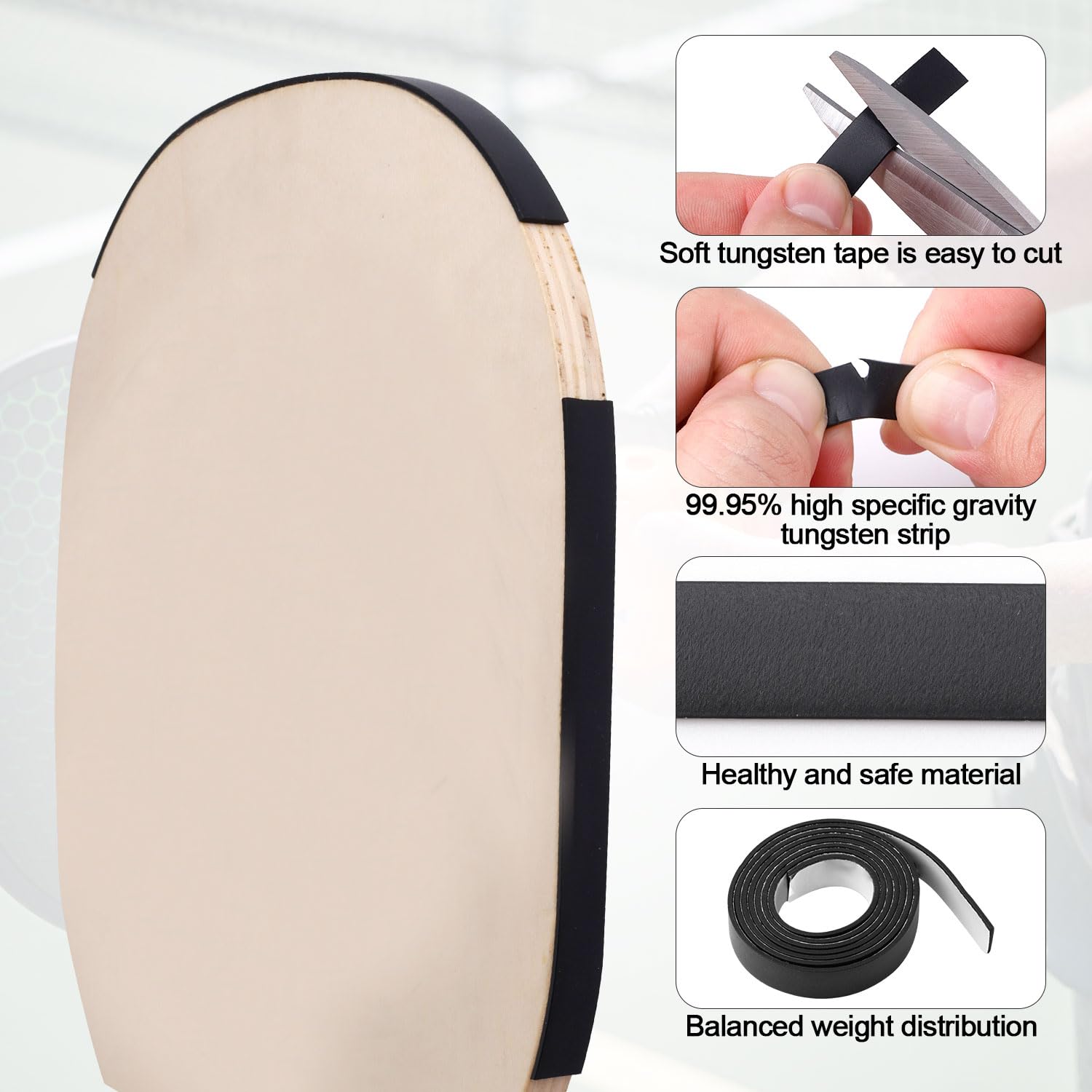
- Head-heavy helps power and put-aways.
- Even balance helps touch and hand speed at the kitchen.
- Higher swing weight can boost plow but slow your hands.
Shape
- Elongated paddles add reach and serve power.
- Standard shapes feel quick at the net.
- Widebody can help blocks and off-center hits.
A real win comes when your face, core, and shape fit your game. That is why what is the best material for a pickleball paddle is not one-size-fits-all. Start with raw carbon plus polymer if you want control. Then adjust shape and weight to taste.

Player profiles: match material to your game
If you wonder what is the best material for a pickleball paddle for your style, use these simple guides.
Beginners and casual play
- Polymer honeycomb core for a soft, stable feel.
- Raw carbon face for clean touch and easy spin learning.
- 16 mm core to help blocks and dinks.
Control-first doubles player
- Raw carbon face plus 16 mm polymer core.
- Even balance for fast hands.
- Standard or widebody shape for defense at the net.
Power driver or tennis convert
- Fiberglass or hybrid face for more pop.
- 13 or 14 mm core for a quick ball.
- Elongated shape for reach on serves and drives.
Singles specialist
- Elongated shape and mid or high swing weight.
- Hybrid or raw carbon face for spin on serves and passes.
- 13 to 16 mm core based on your arm and control needs.
Arm-sensitive or senior player
- Polymer core and 16 mm or thicker.
- Raw carbon face for stable, low-vibration feel.
- Lighter overall weight, but not too head-heavy.
In short, if you ask what is the best material for a pickleball paddle for most people, raw carbon fiber with a polymer core wins. If you crave pop, try fiberglass. If you want a mix, choose a hybrid face.

How I test paddles to answer “what is the best material for a pickleball paddle”
I run the same short set of tests on each paddle I try. It keeps things fair and helps me judge material fast.
Spin test
- Fresh ball and clean face.
- Five serves and five topspin rolls per side.
- Note kick off the bounce and curve in the air.
Dink and reset test
- Cross-court dinks with focus on height control.
- Reset drill from mid court to see dwell and stability.
- Count mishits that pop up.
Drive and block test
- Three drives down the line and three at the body.
- Block back to the kitchen with light hands.
- Listen for sound and note push on off-center hits.
Serve and return test
- Aim for depth and arc.
- Check how the face grabs the ball on slice and topspin.
After many rounds, raw carbon plus polymer keeps winning on control and spin. This is why when friends ask what is the best material for a pickleball paddle, I point them to that combo first, then to shape and swing weight.

Durability, climate, and budget
Material choice impacts how long the paddle lasts and how it plays in heat or cold. This also affects what is the best material for a pickleball paddle for your area.
Durability notes
- Raw carbon faces tend to keep grip longer than paint-based grit.
- Fiberglass can chip less but may lose texture sooner.
- Cheap cores can get soft spots or delaminate.
Climate
- Heat can soften resin and change feel mid-day.
- Cold can make faces feel harsh and reduce pop.
- Store paddles in a temp-safe bag and avoid a hot car.
Budget and value
- Entry paddles under 100 dollars now offer real raw carbon.
- Mid-tier from 120 to 180 dollars add better layups and QC.
- Premium at 200 to 280 dollars may add edge foam, thermoforming, or pro molds.
Warranty
- Check for edge separation or face peel policies.
- Keep proof of purchase and photos. Brands often help fast.
If budget is tight, you can still get a polymer core and a raw carbon face at a fair price. That means even value buyers can enjoy what is the best material for a pickleball paddle today.
Care and maintenance to keep performance high
Good care makes your paddle last and play its best. This matters once you find what is the best material for a pickleball paddle for your game.
Simple tips
- Wipe the face with a damp towel after play to clear ball dust.
- Use a soft eraser or carbon-cleaner for deep dirt on raw carbon.
- Avoid hard knocks on posts or floor edges.
- Store flat and out of heat.
Check often
- Look for edge gaps, soft spots, or face bubbles.
- If you hear a new rattle, stop play and inspect.
- Replace over-worn grips. Fresh grips improve control and reduce strain.
Do this and your raw carbon or fiberglass face will keep its bite. Your polymer core will stay calm. Your touch will stay sharp.
Frequently Asked Questions of what is the best material for a pickleball paddle
Is raw carbon fiber really better than fiberglass?
Raw carbon often gives more spin and control due to natural texture. Fiberglass gives easier pop and power but may lose grit sooner.
What core thickness should I choose?
Choose 16 mm for more control and stability at the net. Choose 13 or 14 mm if you want a quicker ball and more pop.
Does material affect elbow pain?
Yes. Polymer cores with thicker builds and raw carbon faces tend to reduce harsh shock. Lighter swing weight can also help your joints.
How long does the face texture last?
Raw carbon texture can last many months with care. Painted or spray grit may fade faster, based on use and climate.
Are edgeless paddles less durable?
They can chip more on mishits, but they feel clean on swings. Edge-guard paddles protect the rim and often last longer.
Do I need a premium paddle to get good spin?
No. Many mid-price raw carbon paddles produce strong spin. Build quality and clean technique matter as much as price.
Can beginners handle raw carbon fiber?
Yes. The face helps with grip on the ball and soft touch. Pair it with a polymer core for a friendly learning curve.
Conclusion
The short answer is clear. For most players, the best match is a raw carbon fiber face with a polymer honeycomb core. It balances spin, touch, power, and comfort. It works in doubles and singles, for new players and grinders, day in and day out.
If you came here asking what is the best material for a pickleball paddle, now you can pick with confidence. Test a raw carbon and polymer build first. Then tweak thickness, shape, and swing weight to suit your hand.
Ready to level up your gear game? Try the testing steps above on two or three paddles this week. Share your results, ask questions, and subscribe for more guides and play-tested tips.