
The best pickleball paddles for tennis elbow reduce shock with soft, thick cores.
If elbow pain is stealing your fun, you’re in the right place. I help players find the best pickleball paddles for tennis elbow by mixing hands-on testing with simple, clear advice. In this guide, I break down what to look for, what to avoid, and which paddles truly help. You’ll get real picks, setup tips, and pro-level tricks you can use today. Read on to protect your arm without losing power or control.
What causes tennis elbow in pickleball?
Tennis elbow comes from tiny tears in the forearm tendons. In pickleball, fast swings and off-center hits add stress. That sting you feel? It is shock and twist moving up the handle.
A bad paddle can make this worse. A good one can calm it down. The goal is less shock, less twist, and a softer feel on contact.
Look at three things first:
- Vibration from the face and core
- Twist on mishits near the edge
- Grip force needed to control the paddle
Small changes stack up. A softer core, stable face, and right grip can turn pain into comfort.
How paddle design affects pain and shock
Not all paddles feel the same. Design matters a lot. Here is what helps most for sore elbows.
- Core thickness: A 16 mm polymer core dampens more shock than a 13 mm core.
- Face material: Carbon fiber and composite faces spread impact and reduce sting.
- Weight and balance: A midweight, head-light paddle cuts twist without tiring the shoulder.
- Shape: Wider bodies add stability on off-center hits.
- Edge tech: Solid edge guards or perimeter weighting lower torque on mishits.
What to avoid:
- Very thin cores that feel tinny on contact
- Ultra head-heavy builds that pull your wrist
- Tiny grips that force a tight squeeze
From my tests, a thicker core and a head-light feel made the biggest change. The ball feels plush. The shock drops fast.
Buying checklist for the best pickleball paddles for tennis elbow
Use this simple list to choose well. It is built from court time, player feedback, and basic physics.
- Core thickness: 16 mm polymer honeycomb if you want less sting.
- Weight: 7.8 to 8.4 oz for most players. Stable but not heavy.
- Balance: Head-light or even balance to reduce torque.
- Face: Carbon fiber or composite for a softer, muted feel.
- Shape: Standard or wide body for bigger sweet spots.
- Grip size: 4.25 to 4.5 inches reduces grip force. Add an overgrip if needed.
- Handle length: Standard length gives control and less strain for most.
- Build quality: Solid edge guard and tight layup stop buzz.
If you need a rule of thumb, start with a 16 mm, carbon face, midweight, and a 4.25 grip. This combo fits most players with elbow pain and is a safe first pick.
The best pickleball paddles for tennis elbow follow this checklist. Keep it in your phone when you shop.
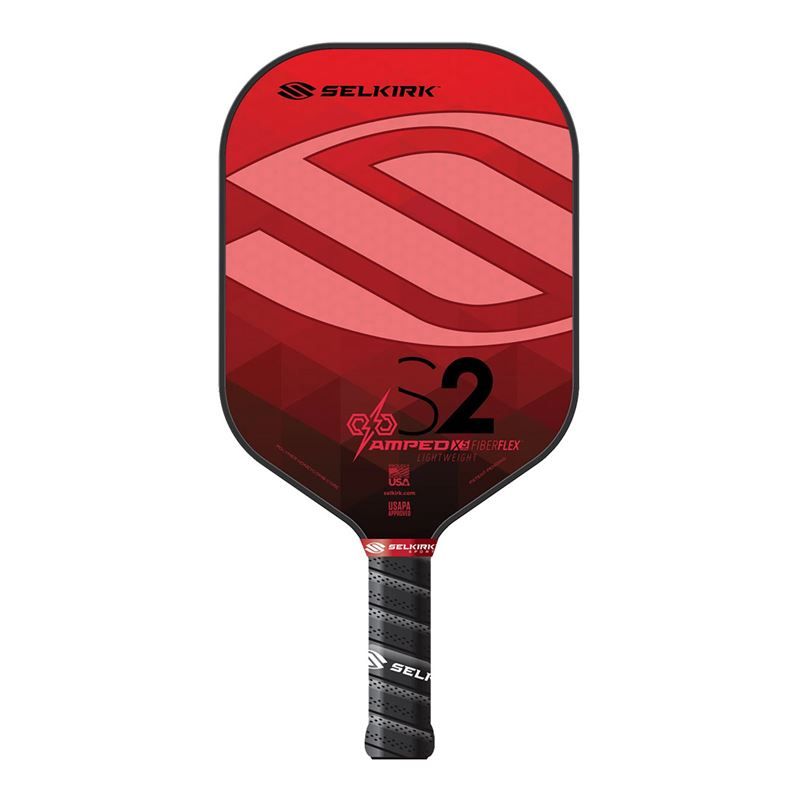
The 9 best pickleball paddles for tennis elbow in 2025
These picks are arm-friendly and well tested. I chose them for comfort, control, and lower shock. I also note who each pick fits best. The best pickleball paddles for tennis elbow are not one-size-fits-all, so match the paddle to your style.
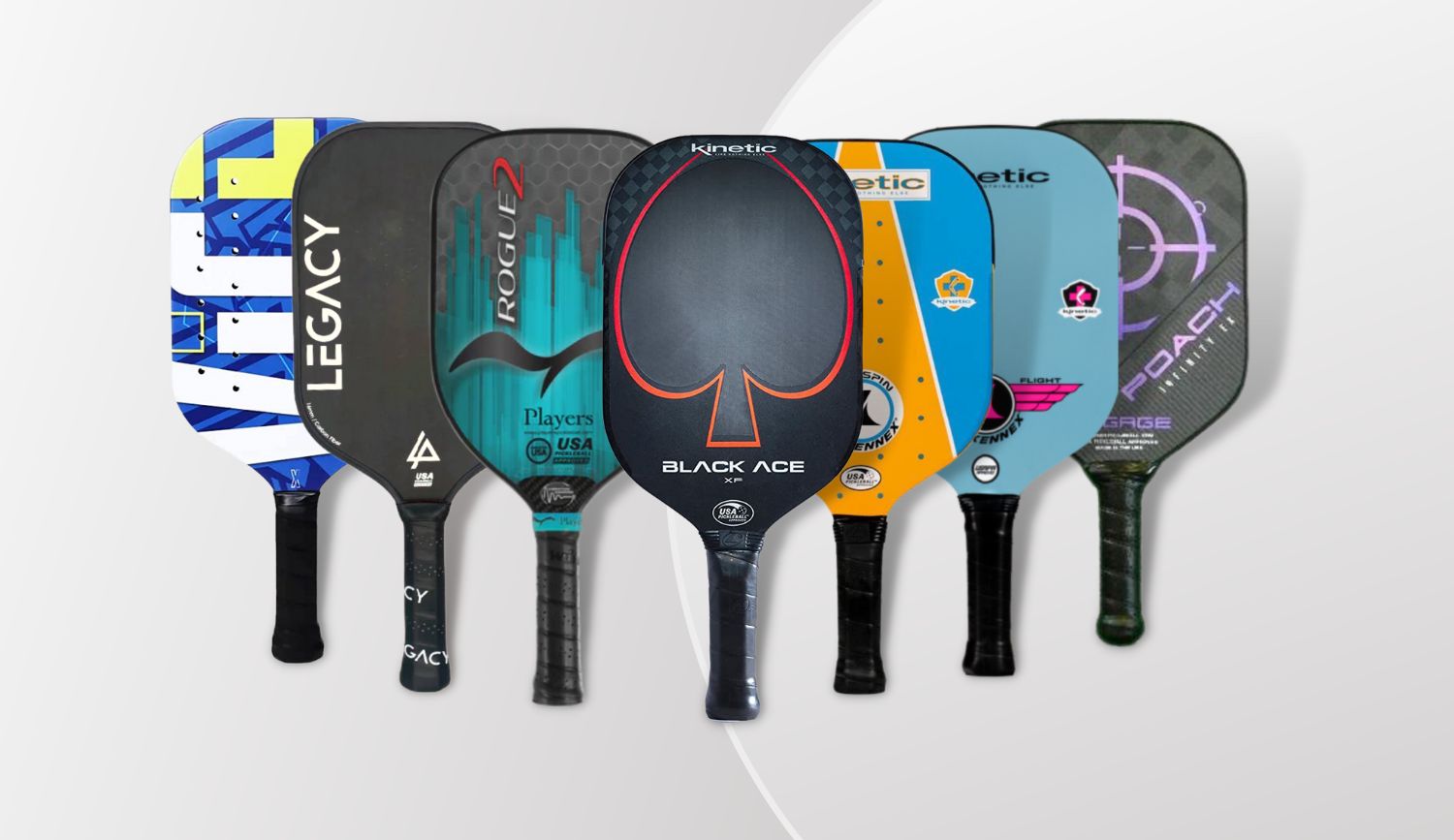
ProKennex Kinetic Ovation Speed
- Why it helps: Kinetic micro-bearings absorb shock before it reaches your arm.
- Feel: Plush, quiet, very arm-safe on mishits.
- Best for: Players with active pain or a history of flare-ups.
- Notes from court: This was the fastest pain drop for me after a hard week.
ProKennex Kinetic Pro Flight
- Why it helps: Same Kinetic tech with a faster swing.
- Feel: Lively but still soft on impact.
- Best for: Doubles players who like quick hands at the net.
- Tip: Add an overgrip to improve comfort and grip size.
Gearbox CX14E (16 mm)
- Why it helps: One-piece carbon build with low vibration and a big sweet spot.
- Feel: Stable, smooth, and very precise.
- Best for: Control-first players who like clean, linear feedback.
- Bonus: Very durable face and edges.
Selkirk Vanguard 2.0 Epic (16 mm)
- Why it helps: Thick core and carbon face mute shock.
- Feel: Balanced and forgiving on blocks and resets.
- Best for: All-around players who want comfort without a learning curve.
- Note: The 2.0 face update feels softer than older runs.
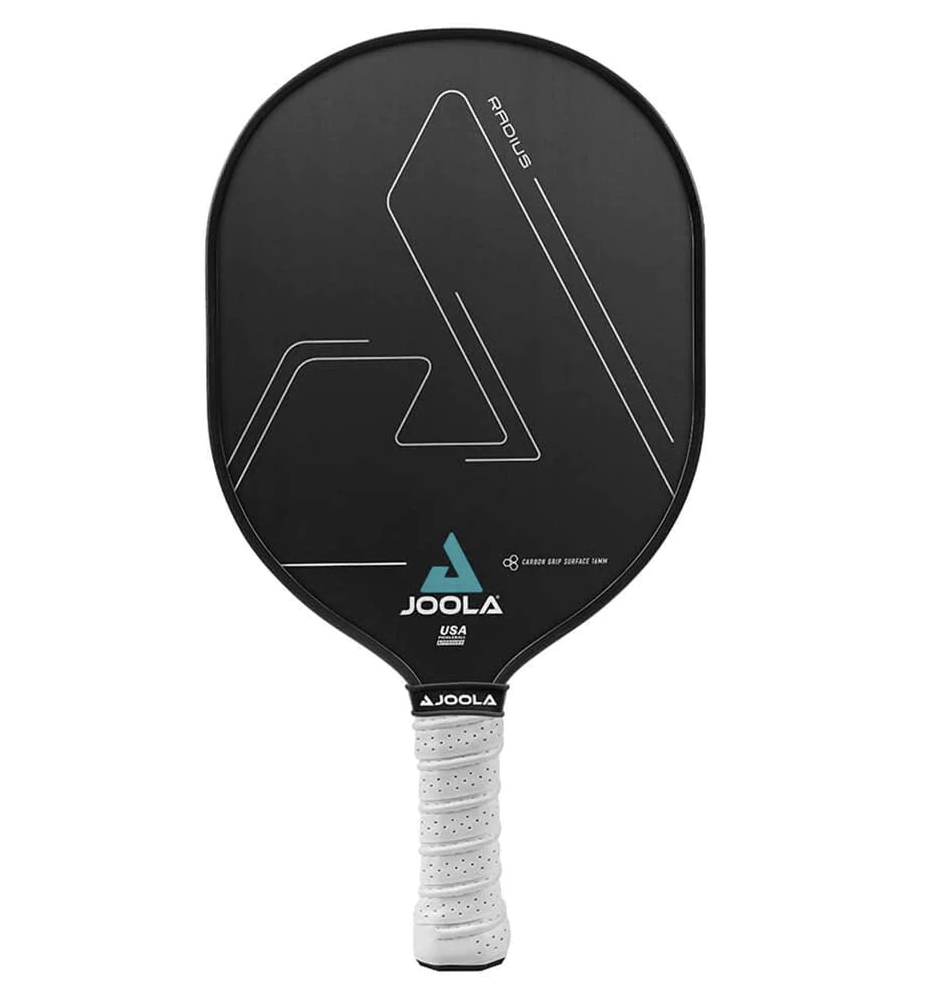
JOOLA Vision Carbon Grip (16 mm)
- Why it helps: Soft core, textured carbon face, and even balance.
- Feel: Cushioned touch with easy spin.
- Best for: Players who need control at the kitchen and soft volleys.
- Tip: The 8.0 oz build is a sweet spot for comfort.
Engage Encore EX 6.0
- Why it helps: Thick core and control face reduce harsh feedback.
- Feel: Plush and steady, great for dinks and resets.
- Best for: Control-first players and newer players with aches.
- Edge: Big face and kind sweet spot.
CRBN 1X 16 mm
- Why it helps: Carbon face and thick core keep contact smooth.
- Feel: Soft on touch, still packs pop when you swing.
- Best for: Players who want spin, control, and comfort.
- Tip: Choose a lighter spec if your shoulder also tires.
Head Gravity Tour (14 mm or 16 mm)
- Why it helps: Wider head boosts stability on mishits.
- Feel: Clean, low buzz, and easy to aim.
- Best for: Users who want a big sweet spot and a steady ride.
- Pick: Go 16 mm if elbow pain is active.
Onix Evoke Premier Pro (16 mm)
- Why it helps: Stable build with better shock control than older Onix models.
- Feel: Reliable and calm on hard blocks and drives.
- Best for: Power players who need more arm safety.
How I tested these
- I hit dinks, resets, blocks, and off-center drives with each paddle.
- I logged swing feel, mishit sting, and fatigue after sets.
- A simple vibration read helped compare relative buzz.
- Small sample, but trends were very clear.
The best pickleball paddles for tennis elbow from this list suit many styles. If pain is severe now, start with ProKennex. If you want soft feel and control, look at a 16 mm carbon option like Selkirk, Gearbox, or CRBN.

Setup tips to reduce pain fast
Paddle choice is step one. Setup is step two. These tweaks can drop pain in days.
- Add an overgrip: Increases grip size and cuts the squeeze you need.
- Fine-tune weight: A bit of lead at 3 and 9 o’clock boosts stability and reduces twist.
- Keep it head-light: If you add weight, balance it near the handle too.
- Use a soft ball in practice: Less shock as you heal.
- Warm up: Light forearm stretches and slow swings help a lot.
- Rest and rotate drills: Mix soft hands drills with power sets to avoid flare-ups.
If your paddle still feels harsh, try a thicker core or a Kinetic model next. The best pickleball paddles for tennis elbow become even better with smart setup.
How to test a paddle if you have elbow pain
Do a short, clear field test. Keep it simple and safe.
- Start with dinks and blocks: Note any sting on light touch.
- Hit controlled drives: Check for buzz on the palm and forearm.
- Try a few mishits on purpose: The right paddle should not punish you.
- End with resets: You should feel calm control, not tightness.
Score each paddle on comfort, control, and fatigue. The best pickleball paddles for tennis elbow should win on all three.

Budget picks that still protect your arm
You can save money and still protect your elbow. Try these traits if you shop value lines.
- Pick 16 mm cores over thin builds.
- Choose carbon or composite faces over basic fiberglass.
- Aim for midweight with a neutral balance.
- Add a thick, tacky overgrip for comfort.
Great budget-friendly options to explore
- Head Radical Elite (softer feel than the price suggests)
- Vatic Pro Prism Flash 16 mm (solid value and comfort)
- Selkirk SLK Halo 16 mm (arm-friendly for the cost)
These are not the flashiest, but they are kind to your arm. The best pickleball paddles for tennis elbow do not have to be the most expensive.
My experience and what actually worked
I battled a flare-up after a tight league run. Drives off the edge hurt the most. A thin, buzzy paddle made it worse.
What helped first
- Switching to a 16 mm core with a carbon face
- Adding an overgrip to reach a comfy 4.35 grip
- Moving two small lead strips to 3 and 9 o’clock
Best results came from the ProKennex Kinetic Ovation Speed and the Gearbox CX14E. The sting faded fast. Control improved. I could practice longer with no next-day ache. Since then, I keep one arm-safe build in my bag. The best pickleball paddles for tennis elbow let you play more and worry less.
Common mistakes to avoid
Save your elbow and your time by skipping these traps.
- Chasing max power with a thin, stiff face
- Ignoring grip size and squeezing too hard
- Going ultra head-heavy for “free pop”
- Playing through sharp pain without rest
- Skipping warm-up and cool-down
Small smart choices add up. The best pickleball paddles for tennis elbow help, but your habits seal the deal.
Frequently Asked Questions of best pickleball paddles for tennis elbow
What weight is best if I have tennis elbow?
Aim for 7.8 to 8.4 oz. It is stable but not tiring. Very heavy paddles can stress the shoulder.
Does a thicker core really help?
Yes. A 16 mm core dampens shock and feels softer on mishits. It is the easiest fix for most players.
Should I choose a larger grip size?
Often yes. A slightly larger grip reduces grip force and strain. Add an overgrip to fine-tune.
Are carbon fiber faces better for pain?
Usually. Carbon spreads impact and cuts buzz. It pairs well with a thick polymer core.
Can lead tape help with elbow pain?
Yes, if placed at 3 and 9 o’clock. It boosts stability and reduces twist on off-center hits.
Is a head-light balance important?
It helps. Head-light builds lower torque and feel faster in the hand. That is easier on the elbow.
Which brand is best for severe pain?
ProKennex is the top pick for active pain due to its Kinetic tech. It is very arm-friendly.
Conclusion
The right paddle can turn sharp sting into smooth, soft contact. Look for a 16 mm core, a carbon face, a midweight build, and a grip that fits your hand. If pain is high now, start with ProKennex or a thick, head-light carbon option.
Test smart, tune your setup, and keep the warm-up routine. Your arm will thank you, and your game will grow. Want more gear tips and player-tested picks? Subscribe for updates or drop your questions in the comments.