

Yes, but you need modified lines, a shorter net, and strict safety rules.
If you’re asking can you play pickleball on a racquetball court, you’re not alone. I’ve set up and played dozens of indoor sessions in squash and racquetball rooms. The short truth is you can make it work. You will not get a regulation setup, but it can be close and very fun. In this guide, I’ll show you how to convert the space, what to change, what gear to use, and how to keep it safe. By the end, you’ll know exactly how to do it right.

Dimensions and Markings: What Fits and What Changes
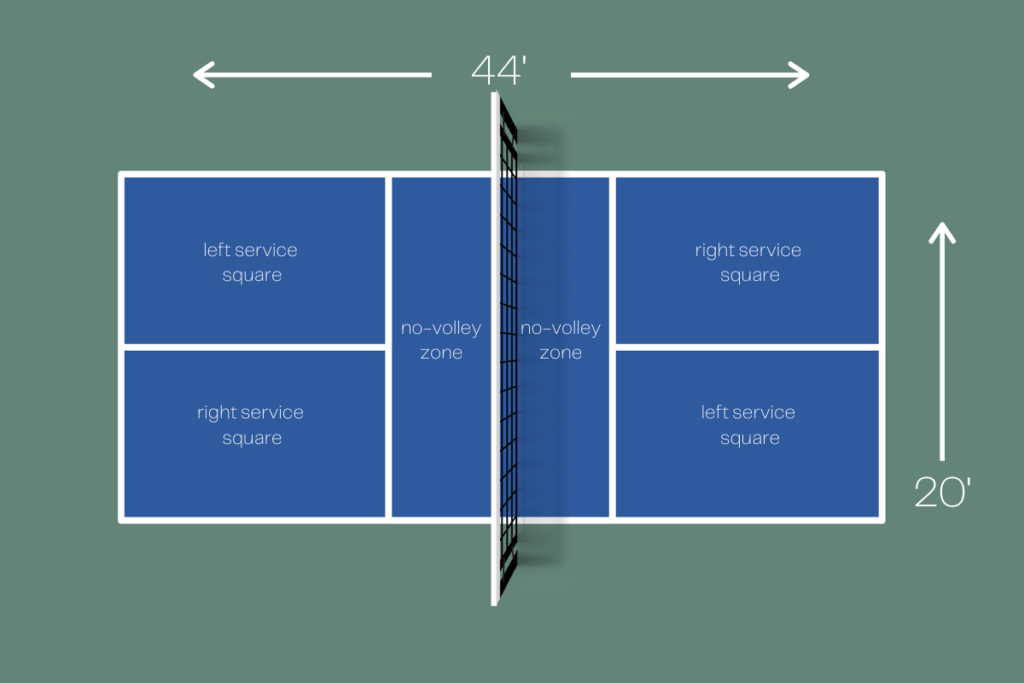
A racquetball court floor is 20 feet wide and 40 feet long. A standard pickleball court is 20 feet wide and 44 feet long. So the width is perfect, but the length is 4 feet short. You will use a slightly shorter court.
Here is the simple breakdown you can trust:
- Keep the non-volley zone (kitchen) at 7 feet on each side.
- Set the baselines so the total length is 40 feet, not 44 feet.
- That gives about 13 feet from the kitchen line to each baseline.
The net is another key point. A standard pickleball net is 22 feet wide. The racquetball room is 20 feet wide, so the net will not fit wall to wall. Use a 20-foot practice net or place a standard net a bit inside each side wall. Keep net height at 36 inches on the sides and 34 inches in the center. That is the USA Pickleball standard.
Use painter’s tape for all lines. I like 1-inch blue painter’s tape. It sticks well but comes up clean. Mark centerline, sidelines, baselines, and kitchen lines. Ask the facility before taping. Some floors need low-tack tape only.
If you wonder can you play pickleball on a racquetball court with regulation length, the answer is no unless you go diagonal. The diagonal distance is about 44.7 feet. But this diagonal setup is awkward, and the walls get in the way. Most groups use the 40-foot layout instead.
Step-by-Step Setup: From Empty Court to Play-Ready
I’ve set up this layout many times with new players. Follow these steps for a clean build.
- Clear the room. Check that the glass door is shut and safe.
- Find center width at 10 feet. Snap a chalk line if allowed.
- Place the net across the width at mid-court. The net should be centered, with equal space on both sides.
- Measure 20 feet from the net toward each back wall. That is your baseline on each side.
- From the net, mark the kitchen line at 7 feet on both sides. Run full-width tape lines.
- Add sidelines on the existing 20-foot edges. That is easy. It matches the room width.
- Mark the centerline from the kitchen line to the baseline on both sides.
Final check:
- Net height 34 inches in the center.
- Baselines at 20 feet from net.
- Kitchen at 7 feet from the net.
Can you play pickleball on a racquetball court with only cones? You can for a casual hit. But tape lines improve aim and fairness a lot.

Gear and Ball Choices That Work Indoors
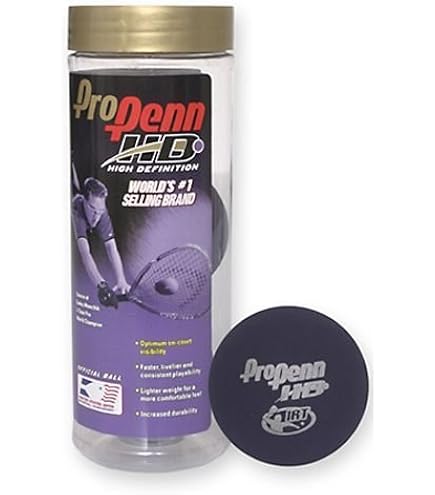
Pick the right ball. Indoor pickleballs have larger holes and a softer feel. They bounce well on hardwood or coated floors. Outdoor balls can skid and feel too fast. My group prefers a softer indoor ball to cut noise and sting.
Paddle choice matters too. In a tight room, pop control helps. Use a paddle with a softer core or a rough face for spin. Many players also use edge guards or tape on paddle edges to protect against wall bumps.
Sound is loud in a racquetball room. If noise is a concern, consider quiet paddles or foam practice balls for drills. They are slower but great for skill work.
Can you play pickleball on a racquetball court with a full 22-foot net? Yes, if you set it inside the lines and accept small side gaps. A 20-foot net is cleaner.
Rules Tweaks and Safety Inside the Walls
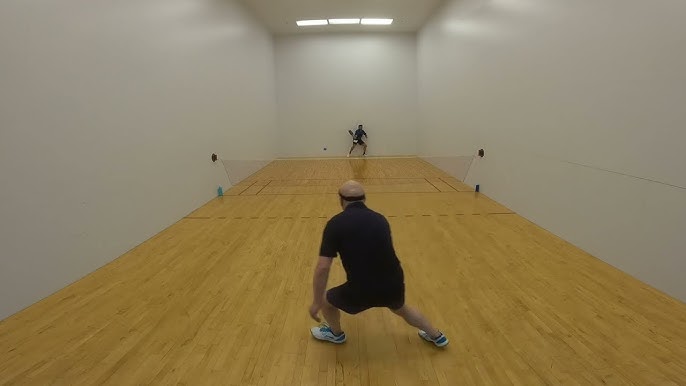
Safety first. Walls and glass are close. Keep your swing compact near the sides. Do not chase a hard ball into a wall. Communicate every shot with your partner.
Use these house rules that have worked well for us:
- Walls are out. If the ball hits any wall, it is dead.
- Ceiling is out. The ball is dead if it touches the ceiling or lights.
- Door must stay closed. Stop play if it opens.
- Eye protection is smart. It is common in racquet sports. It is cheap and can prevent injuries.
Can you play pickleball on a racquetball court with wall bounces? Classic pickleball does not use walls. So treat any wall touch as out. This keeps the game fair and simple.
Pros and Cons of Playing on a Racquetball Court
Here is the quick view from many sessions.
Pros:
- You can play year-round, rain or shine.
- The floor is flat and true, so bounces are clean.
- The 20-foot width is perfect for doubles.
Cons:
- The court is 4 feet short. Serves and lobs change a bit.
- Net width may need a 20-foot model.
- Walls are close. There is more risk on wide balls.
If you ask can you play pickleball on a racquetball court and keep it fun, the answer is yes. The tradeoffs are small once you adjust.

Strategy Tips for a Shorter Indoor Court
The 40-foot layout changes pace. Use these tips to win more points.
- Serve placement over power. Aim deep to the corners. Mix spin to cause mishits.
- Shorter return path. Get to the kitchen fast. The short court rewards quick feet.
- Dinks still rule. Keep the ball low over the net. Force errors with soft hands.
- Lobs are tricky. The ceiling is low, and the ball can hit lights. Use flat topspin lobs only when clear.
- Watch the side walls. Slide steps, not big lunges. Save your shoulders and wrists.
I learned to love soft block volleys in this room. You can reset the rally with a gentle touch. It wins more points than wild swings.

Booking, Costs, and Facility Etiquette
Most gyms allow taping if you ask first. Check rules on tape type and court time. Offer to remove tape and clean after. Keep a small scraper and wipes in your bag.
Common costs:
- Portable net rental or purchase.
- Tape and a cheap tape measure.
- Optional eye guards.
Be a good guest:
- Arrive early. Set up fast. Leave on time.
- Keep music off. Sound echoes a lot.
- Report any marks or scuffs. Staff will trust you more next time.
Many managers ask can you play pickleball on a racquetball court without harming floors. The answer is yes with low-tack tape and clean shoes.

Frequently Asked Questions of "can you play pickleball on a racquetball court"
Can you play pickleball on a racquetball court without changing any lines?
You can rally for fun, but real games need lines. Tape the kitchen and baselines to keep play fair.
Will a standard 22-foot net fit in a racquetball court?
It can fit if you place it inside the sidelines. A 20-foot net is cleaner and lines up with the room width.
Is the shorter 40-foot court still good for practice?
Yes. Footwork, dinks, serves, and resets all translate well. You will adjust to the shorter length fast.
Do indoor pickleballs bounce well on racquetball floors?
Yes. Indoor balls with larger holes feel stable and less skiddy. Outdoor balls can feel too fast indoors.
Are walls in or out when you play?
Treat all walls and the ceiling as out. It keeps the game safe and close to standard rules.
Can you play doubles on a racquetball court?
Yes, and it feels natural since the width is perfect. Communicate more to avoid wall crashes.
How do I keep it safe near the glass door?
Keep the door shut and locked if allowed. Call a let if someone enters, and avoid big lunges near the door.
Conclusion
You asked can you play pickleball on a racquetball court, and now you know the whole plan. Yes, it works with a shorter 40-foot layout, a properly sized net, and smart safety rules. The space is fast, fun, and great for skill work.
Grab tape, a portable net, and an indoor ball. Set it up, play a few sets, and refine the lines next time. Want more guides like this? Subscribe, share your setup pics, or leave a question so we can help you dial in your court.