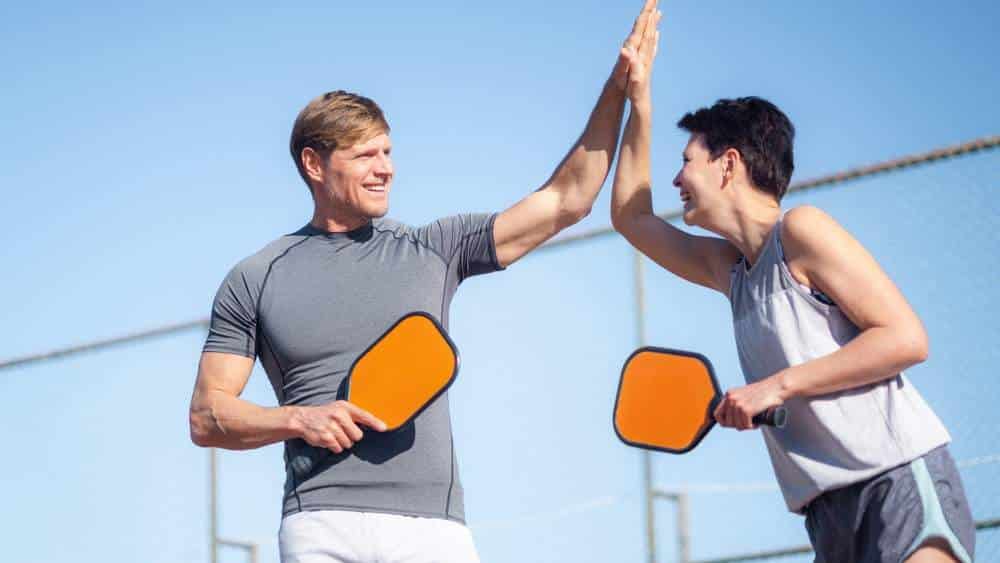
Gain certification, master drills, ensure safety, and grow students through outreach.
If you want to know how to become a pickleball instructor, you are in the right place. I’ve coached players from day-one beginners to club champs and built clinics that fill fast. In this guide, I’ll show you how to become a pickleball instructor with clear steps, trusted methods, and practical tips you can use right away. Read on to turn your love of pickleball into real impact and income.
Why becoming a pickleball instructor is a smart move
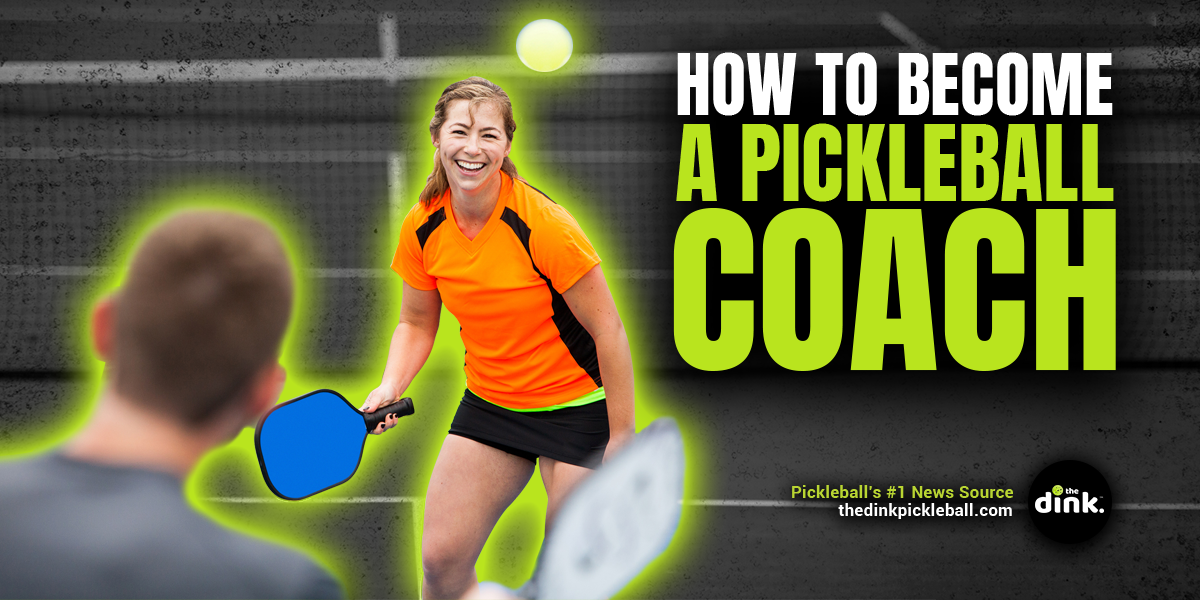
Pickleball is booming in parks, clubs, and schools. Demand for quality coaching is high, and good instructors stand out fast. If you learn how to become a pickleball instructor the right way, you can help people play better, stay safe, and have fun.
You also gain flexible hours, steady referrals, and a community that grows with you. The path is clear. The work is rewarding.
Step-by-step: how to become a pickleball instructor
To make real progress, follow a simple and proven plan. Here is how to become a pickleball instructor from start to finish.
- Learn the game deeply. Play often. Study rules, scoring, and court safety. Shadow a skilled coach for one or two sessions.
- Choose a certification. Pick a recognized program that fits your goals and budget.
- Prepare for assessment. Practice fundamentals, game strategy, and clear teaching language.
- Get certified. Complete the course, on-court evaluation, and any tests.
- Get first aid and CPR. This builds trust and helps you handle emergencies.
- Secure insurance. Protect yourself and your students with liability coverage.
- Start small. Offer a free intro clinic or a low-cost skills class. Collect feedback.
- Build a simple website and booking link. Make it easy to find and pay you.
- Grow by referrals. Ask each student to bring a friend. Offer a referral perk.
- Keep learning. Attend workshops, learn new drills, and track student progress.
When people ask how to become a pickleball instructor fast, I suggest a 60-day plan with daily practice and weekly coaching reps. It works.
Certification options and requirements
Most major programs teach safe progressions, scoring, rules, and on-court coaching skills. They often include pre-course study, a live or video assessment, and a knowledge test. Expect a skills demo, clear instruction, and proof of CPR.
Common requirements include:
- Minimum age, often 18+
- Solid playing level (for example, strong 3.5 or higher)
- Background check in some programs or facilities
- First aid and CPR within the last two years
If you wonder how to become a pickleball instructor without certification, it is possible, but you may find fewer jobs and less pay. Certification boosts trust, raises rates, and opens doors at clubs and parks.
Core coaching skills that set you apart
Great coaches keep things simple, safe, and fun. If you want to master how to become a pickleball instructor, focus on these skills.
- Clear communication. Use short cues like paddle up, early split, soft hands.
- Simple progressions. Start with dink control, then add footwork, then add pressure.
- Safety first. Warm-ups, hydration, shade breaks, and ball awareness.
- Classroom management. Set zones and rotations. Keep lines short and reps high.
- Feedback that sticks. One cue at a time. Show, do, repeat.
- Adaptive coaching. Adjust for age, mobility, and skill level.
- Player psychology. Cheer effort. Set small wins. Celebrate progress.
When I ran my first large clinic, I kept drills too complex. People got lost. Now I keep one focus per block. Results jumped, and reviews did too.

Designing great lesson plans and drills
A tight plan builds trust. It also makes your classes smooth and safe. If you are learning how to become a pickleball instructor, set lesson goals, then pick drills that fit.
Beginner sample plan (60 minutes):
- Warm-up and safety brief, 5 minutes
- Grip and contact point, 10 minutes
- Dink control and footwork, 15 minutes
- Serve and return basics, 15 minutes
- Mini games with targets, 10 minutes
- Wrap-up and homework, 5 minutes
Intermediate sample plan (60 minutes):
- Split step timing, 10 minutes
- Third-shot drop and drive mix, 15 minutes
- Transition zone defense, 15 minutes
- Reset drills from mid-court, 10 minutes
- Play with constraints, 10 minutes
Useful tools:
- Cones, tape lines, target dots
- Ball hopper and ball machine
- Scoreboard and timer app
- Video clips for quick feedback

Jobs, business models, and pricing
There are two main paths: get hired or go solo. If you aim to learn how to become a pickleball instructor for a facility, apply to parks, clubs, or schools. If you prefer to run your own brand, set rates and build a simple system.
Common models:
- Hourly lessons. Private or semi-private.
- Small group classes. Four to eight players.
- Clinics and camps. Skill-specific or themed.
- Corporate events. Team-building sessions.
- Junior programs. Youth skills and games.
Pricing tips:
- Check local rates and set a fair range.
- Offer packages and seasonal promos.
- Keep a waitlist to fill last-minute spots.
- Reward referrals with a discount code.
Marketing yourself and filling your classes
Marketing does not need to be hard. If you are serious about how to become a pickleball instructor, learn simple, steady steps that compound.
- Build a one-page website with your bio, services, and booking link.
- Use local SEO words like pickleball lessons near me.
- Post short drill clips on social media twice a week.
- Partner with parks, HOAs, and rec centers.
- Collect reviews and share student wins.
- Launch a monthly tip email. Keep it short and helpful.
- Host free intro classes to feed paid programs.
When I posted two 30-second drill videos per week, my bookings doubled in six weeks. Consistency wins.

Legal, insurance, and safety basics
Protect your students and your business. If you plan how to become a pickleball instructor the right way, set this up early.
- Liability insurance. Choose coverage that fits private and group work.
- Waivers. Keep them clear and signed before play.
- CPR and first aid. Carry a small kit and ice packs.
- Risk checks. Dry courts, safe nets, and no loose balls on the court.
- Emergency plan. Have local emergency numbers handy.
These steps build trust and reduce stress. Parents and facilities notice.
Tools, equipment, and tech that help
The right tools make coaching smooth and safe. Start lean, then add as you grow.
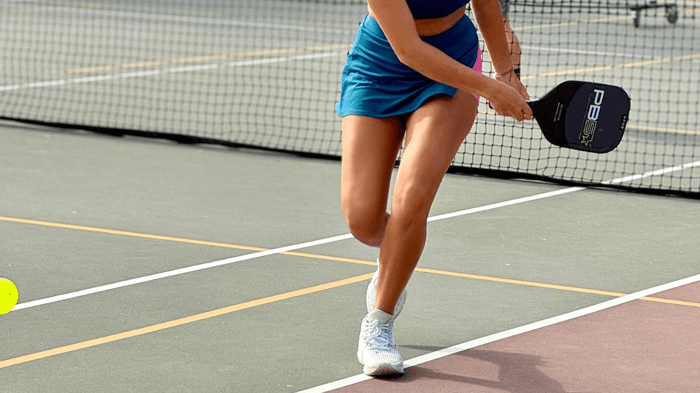
- Paddles and indoor/outdoor balls
- Cones, target markers, and tape
- Ball hopper and cart
- Tripod and phone for video
- Scheduling and payment app
- Light ball machine for reps
How to become a pickleball instructor on a budget? Buy used gear, borrow extra paddles, and reinvest profits into better tools.
A 60-day plan and sample budget
A simple plan helps you move fast. Here is a clear timeline for how to become a pickleball instructor in two months.
Days 1–10:
- Play and drill daily. Shadow one coach.
- Pick a certification and book your date.
- Start a skill journal.
Days 11–30:
- Study rules and coaching cues.
- Practice assessment tasks with a friend.
- Set up insurance quotes and CPR class.
Days 31–45:
- Complete certification and CPR.
- Build your website and booking link.
- Shoot three short drill videos.
Days 46–60:
- Host a free intro clinic.
- Launch your first paid group.
- Ask for reviews and referrals.
Starter budget (approximate):
- Certification, 200–500
- Insurance, 150–300 per year
- CPR and first aid, 50–100
- Basic gear and targets, 100–250
- Website and booking tools, 0–200
Adjust for your area and goals. Track all costs.
Mistakes new instructors make and how to avoid them
Learning how to become a pickleball instructor also means avoiding common traps.
- Doing too much in one class. Keep one focus per block.
- Ignoring safety. Warm up, hydrate, and watch for hazards.
- Skipping feedback. Give clear, short cues and show the fix.
- No marketing plan. Post weekly and ask for reviews.
- Underpricing. Charge fair rates and offer packages.
- No data. Track attendance, progress, and referrals.
Small changes here lead to big wins in student results and income.
Frequently Asked Questions of how to become a pickleball instructor
What level should I be before I coach?
You should play at a solid recreational level and know rules and safety. A strong 3.5 or higher is a common target for many programs.
Do I need certification to teach?
You can teach without it in some places, but certification helps a lot. It builds trust, raises pay, and opens job options.
How much can a pickleball instructor earn?
Income varies by city, rates, and class size. Many instructors blend private lessons, groups, and clinics to grow earnings.
What insurance do I need?
General liability insurance is a smart start. Some facilities require it, along with waivers and proof of CPR.
How do I get my first students?
Start with a free intro clinic and invite friends. Ask for reviews and referrals, and post short drill videos online.
What should I charge for lessons?
Check local rates and set a fair price based on skill and demand. Offer packages and keep your booking simple.
How do I keep classes fun and safe?
Use short lines, many reps, and clear targets. Add water breaks, shade, and quick check-ins on form and footwork.
Conclusion
You now know how to become a pickleball instructor with clear steps, trusted skills, and a simple plan. Get certified, stay safe, teach with purpose, and market with steady habits. Start small this week, collect feedback, and improve with each class.
Take action today. Pick your certification, plan a free clinic, and invite your first four students. If you found this helpful, subscribe for more tips or share a question in the comments.